
List of research projects - NUS Yong Loo Lin School of Medicine
List of research projects available for prospective graduate students Department of Anatomy A/Prof George Yip georgeyip@nus.edu.sg Expression and Functional Analysis of Glycosaminoglycans and Proteoglycans in Breast Cancer Glycosaminoglycans are highly negatively charged molecules made up of repeating disaccharide subunits consisting of an amino sugar and an uronic acid. They are covalently linked to core protein backbones to form proteoglycans. Besides structural roles, glycosaminoglycans and proteoglycans have important biological functions in regulating cell behaviour through their interactions with growth factors and signalling molecules. We aim to elucidate the effects of these molecules on cancer cell activities to investigate if the molecules are clinically useful biomarkers and prognostic indicators, and to develop novel therapeutic targets. A variety of cell and molecular biology techniques will be employed in these studies, including cell culture, immunohistochemistry, electron microscopy, ion exchange chromatography, proteoglycan quantification assays, real-time PCR, in situ hybridisation, gene cloning, and microarray analysis. References: 1. Yip GW (2011) Breast cancer: Novel therapeutic targets. Recent Pat Anticancer Drug Discov 6:164-165. 2. Koo CY, Sen YP, Bay BH, Yip GW (2008) Targeting heparan sulphate proteoglycans in breast cancer treatment. Recent Pat Anticancer Drug Discov 3:151-158. 3. Yip GW, Smollich M, Götte M (2006) Therapeutic value of glycosaminoglycans in cancer. Mol Cancer Ther 5:2139-2148. 4. Götte M, Yip GW (2006) Heparanase, Hyaluronan and CD44 in cancers: A breast carcinoma perspective. Cancer Res 66:10233-10237. Dr Hu Qidong anthq@nus.edu.sg Crosstalk between microRNAs and repeat-derived non-coding RNAs in neuronal differentiation For neurodegenerative diseases, the stem cell therapy represents a revolutionary strategy to re-establish neural circuits. However, its wider application is hindered by the low efficiency of differentiating pluripotent cells into desired neuronal cell types. Emerging evidence has shown that miRNAs play a critical role in neuronal development. Our recent study indicates that miRNA is regulated by a new type of small RNAs (riRNAs) derived from the human Alu repeats in response to retinoic acid (RA) stimulation, a well-known molecule to dictate neuronal differentiation. Hence, we aim to: 1) characterize the role of riRNAs in regulating miRNAs; 2) investigate the mechanism underlying the crosstalk between miRNAs and riRNAs in neurogenesis. To identify those miRNAs regulated by riRNAs, we will carry out miRNA arrays under various differentiating conditions and confirm the regulation by extensive biochemical and molecular approaches. To explore the transcriptional regulation of miRNAs, we will map the binding profiles of riRNAs by deep sequencing. The differentiation assay will then be performed in human embryonic carcinoma cells and ES cells to establish the functional crosstalk between riRNAs and miRNAs. To further explore the mechanism of riRNA-regulated miRNA expression, we will carry out proteomics study to identify the protein complexes functioning together with riRNAs. These proteins may serve as Updated in Apr 2015 Page 1 List of research projects available for prospective graduate students transcriptional activators and repressors. We will then map their genome-wide binding profiles and correlate with riRNA binding patterns. We expect to obtain a clear picture of riRNA-regulated miRNAs during neuronal development and to be able to enhance the neuronal differentiation of stem cells. These efforts will greatly benefit the patients suffering from neurodegenerative diseases. Department of Biochemistry Dr Chen Ee Sin ee_sin_chen@nuhs.edu.sg Anti-cancer drug resistance mechanism through the regulation of chromatin structure The genomic DNA of all eukaryotic cells are intricately organized around structural proteins called histones into a higher order chromatin. The most fundamental subunits of the chromatin is called nucleosome that contains 8 histone molecules organized around about 146 base pairs of DNA. The nucleosome is the scaffold on which all DNAdependent processes including transcription, DNA repair and recombination occur and the integrity of nucleosomal organization bears direct impact on important cell cycle processes such as chromosome segregation and DNA replication. These two processes are commonly targeted by many anti-cancer drugs to induce genomic instability in cancer cells. However often, the effects of the drugs also affect normal cells resulting in profuse side effects associated with chemotherapeutic treatments. This project is aim at finding mechanisms that protect chromatin against the damage caused by chemotherapeutic drugs. We will use fission yeast as a model organism to uncover universal mechanism in order to facilitate targeted testing in human breast and gastric cancer cells. Prof David M Virshup gmsdmv@nus.edu.sg Project 1: Curing cancer with Wnt inhibition david.virshup@dukenus.edu.sg Novel drugs that block Wnt secretion show promise in stopping cancer growth. In this project, we aim to learn more about the best way to use these drugs, inhibitors of the enzyme PORCN. By understanding more about pathways affected by PORCN inhibitors, the student will identify rational drug combinations, and strategies to minimize toxic side effects in mouse models, and in patients. Techniques include molecular and genetic analysis, and cell culture and mouse based models. Project 2: Defining Cancers Sensitive to Inhibition of the Wnt Secretion Pathway Wnt signalling drives cancers and inflammatory diseases. We have developed novel, specific and potent drugs that prevent Wnt secretion by inhibiting the O-acyltransferase enzyme, PORCN. In this project, the student will develop and assess specific genetic predictive biomarkers to select and characterize cancers and patients with drug-sensitive disease. Techniques include molecular and genetic analysis, and cell culture and mouse based models. Updated in Apr 2015 Page 2 List of research projects available for prospective graduate students Dr Deng Lih Wen lih_wen_deng@nuhs.edu.sg Project 1: Targeting MLL5β mediated transcriptional control of the E6/E7 oncogenes as a basis for novel therapeutic strategies for HPV16/18 associated cancers. Our lab has previously identified a new MLL5 isoform, MLL5β, which expression was correlated to high-risk HPV16/18 cervical cancers. Our initial data suggest that MLL5β is involved in the regulation and expression of key oncogenes E6 and E7 in cervical cancer and targeted silencing of MLL5β could inhibit HPV16/18 cervical cancer development. We have recently established that cisplatin, the current gold standard in cervical cancer care modulates its anti-tumour effects through MLL5β. Our findings have also suggested that targeted gene silencing of MLL5β has potential applications as a mode of therapeutic intervention for HPV16/18-related cancers with less cytotoxic effects compared to cisplatin. Currently we have identified a key post-translation modification (PTM) on MLL5β, which is essential for the assembly of the transcriptional activation complex required to initiate E6/E7 transcription. Based on this finding we have moved on to identify potential small molecular inhibitors of this PTM and are investigating their potential applications in cervical cancer therapy. However, much remains to be done to better understand the full role of MLL5β in E6/E7 expression regulation such as what are other components of this MLL5β-associated transcriptional complex as well as the exact role of MLL5β in the complex. A better understanding of these molecular events will lead to the potential identification of better therapeutic avenues for cervical cancer therapy. We are looking for an enthusiastic and motivated candidate to focus on further understanding these molecular events. The candidate will work on identifying the other components of the MLL5β transcription activation complex as well as further understand the histone methyltransferase role of MLL5β in the complex. The outcome of the project will be to harness this knowledge and translate it to the development of novel molecular targeted therapeutic strategies for cervical cancer therapy. Project 2: Targeting Cancer Metabolism In Inhibiting Tumor Progression Metabolic switch is an important event during tumor progression. It is believed that cancer cells reprogram their metabolic processes so as to exhibit high glycolysis to feed their rapid proliferation, a phenomenon known as Warburg effect. The adaptation to glucose metabolism in cancer cells produces high metabolic acid that in turn confers tumor survival and invasion. The invasion of in situ tumor cells to distant sites, also known as cancer metastasis, accounts for more than 80% of cancer-associated death. Studies have also found that cancer cells which acquire high invasiveness are usually highly resistant to chemotherapy. Conceptually, intertwining cancer metabolism, particularly the glycolysis process would serve as an effective way to target cancer progression. However, the inter-link between cancer metabolism and cancer invasiveness is unclear at the moment. Our preliminary data demonstrated that our compound of interest interfered with cancer glycolysis and potentially affected cancer metastasis process. In this project, we are interested in finding the underlying cellular metabolic changes in cancer cells across different invasive stages and understand how these metabolic switches affect cancer Updated in Apr 2015 Page 3 List of research projects available for prospective graduate students hostile behavior. We also intend to screen for pharmacological compounds that exhibit synergistic effects to achieve anti-cancer survival and anti-metastasis. Findings from this project will provide further knowledge on cancer progression and shed light in developing innovative cancer therapy strategy. Adjunct Prof HUI Kam Man Project 1: cmrhkm@nccs.com.sg Validation of blood-based three-gene signature in improving the detection of early hepatocellular carcinoma (HCC) from high-risk chronic hepatitis B virus carriers (CHB) Hepatocellular carcinoma (HCC) is one of the most prevalent and deadly cancers worldwide. Early detection of HCC in high risk individuals would greatly improve the clinical outcome of HCC. We profiled for transcriptome differences in the peripheral blood mononuclear cells (PBMC) of CHB and HCC patients and identified a novel threegene signature which can accurately detect HCC from high-risk CHB patients. The student candidate will be involved in the validation of this three-gene signature using various techniques including RT-qPCR, QuantiGene assays, flow Cytometry and fluorescence microscopy. Project 2: In vitro culture of hepatocellular carcinoma (HCC) tumor initiating cells (TICs) Hepatocellular carcinoma is the fifth most common cancer and the third leading cause of cancer related deaths worldwide. The extremely poor prognosis of HCC is partly due to the fact that HCC shows high degree of heterogeneity not only between tumors but also within each individual tumor. This poses great challenges in the proper research, diagnosis and treatment of HCC. Phenotypic and functional heterogeneity arises among cancer cells even within the same tumor as a consequence of continual accumulation of genetic and epigenetic changes. Yet, only a small proportion of cells in the tumor exist to convey tumorigenicity, the tumor initiating cells (TIC). TICs have mainly be studied based on specific surface markers and FACS sorting. However, such markers are usually hard to be reproduced in solid tumors. In this project, we will attempt to adapt a feeder cells culture system to culture HCC TICs to reduce a complex tumor to its crucial constituting clones. This will form the basis for dissecting HCC tumor heterogeneity and to find suitable targets/markers to improve the prognosis of HCC. A/Prof Lee Guat Lay, Caroline caroline_lee@nuhs.edu.sg Project 1: Colorectal cancer (CRC) is the most common cancer in Singapore with around 2000 new cases each year. About a third of these cases are metastatic (stage IV) at diagnosis and around one third of curatively resected cases (stages I-III) will relapse suggesting that a substantial proportion of patients may need treatment for metastatic/relapsed CRC. The two commonest combination drug regimes for this cancer in Singapore are CAPOX (capecitabine and platinum-based oxaliplatin) or CAPIRI (capecitabine and topoisomerase-I inhibitor) but the response rate to these regimes is only ~40-45%. Developing a reliable early predictive biomarker of response to these drugs in metastatic CRC can lead to appropriate Updated in Apr 2015 Page 4 List of research projects available for prospective graduate students tailoring of treatment for individual patients and help move us closer to a truly personalized care. It will not only be cost effective but will also reduce unnecessary sideeffects in patients who will not benefit from the drug treatment and novel treatments can be explored for these patients. However, there are currently no reliable tests for early prediction of response to chemotherapy in these patients. Genetic single-nucleotidepolymorphisms (SNPs) have strongly been implicated in the determination of differences in drug response and hence can serve as a useful early predictive biomarker for response. Here, we propose a novel pathway-based, potentially-functional SNP (pfSNP) approach to identify SNPs that may serve as predictive biomarker of response to these drugs in 300 treatment-naïve CRC patients who receive either CAPOX or CAPIRI. Response that will be assessed include tumor shrinkage according to standard RECIST criteria, toxicity according to standard NCI-CTC criteria, progression-free survival and overall survival. A simple, robust, cost-effective point-of-care genotyping assay will then be developed for polymorphisms that can predict drug response. We will also automate this point-of-care test so that it will be capable of translating genetic information to clinically relevant information about drug response. Project 2: Hepatocellular carcinoma (HCC), amongst the top 5 cancers in Singapore is the third leading global cause of cancer death with five-year survival of ~5%. Although molecular advances have led to an increased understanding of the genetic changes that occur in HCC, there is still inadequate knowledge about the full spectrum of molecular mechanisms and epigenetic events in hepatocarcinogenesis. Current diagnosis of HCC relies on routine screening of at-risk patients, including those with cirrhosis due to viral hepatitis, by screening serum alpha-fetoprotein (sAFP) levels in conjunction with hepatic ultrasonography but this combination has limitations. Although cost-effective, ultrasonography has only 60% sensitivity and 97% specificity. sAFP is only 40-60% sensitive as many tumors do not produce AFP or do so at very advanced stage. Hence, there is an urgent need to identify better, more reliable non-invasive biomarkers with higher sensitivity and specificity for early detection of HCC. Here, we propose to interrogate miRNAs/small RNAs, by themselves or in combination with current available AFP/Ultrasound biomarkers, as emerging novel biomarkers for predicting individuals who are likely to develop cirrhosis or at the early stage of cirrhosis as well as those likely to develop HCC or at early stages of HCC. Retrospective, as well as prospectively collected samples with yearly follow-up and sample collection from 4 groups of individuals, namely, Normal Non-cirrhotic (NNC), HBV chronic carriers (HBCC), Cirrhotic and HCC will be examined. Next-Generation Deep Sequencing on prospective samples at zero time point will be employed to identify novel miRNAs/small RNAs that are that are associated with cirrhosis and/or HCC. Realtime RT-PCR will be used on the retrospective samples to validate promising miRNAs while prospective samples collected at 24 month time point will be used to confirm the robustness of these validated biomarkers. These novel biomarkers either alone or in combination with current biomarkers may be clinically useful. Updated in Apr 2015 Page 5 List of research projects available for prospective graduate students Dr Lim Yoon Pin bchlyp@nus.edu.sg Function and mechanism of a novel WBP2 oncogene in breast cancer and metastasis Through cutting-edge phosphoproteomics technology, we have identified a novel breast cancer associated gene (1). Our lab is the first to demonstrate that WBP2 transcription co-activator is a new breast oncogene that upon phosphorylation is able to transform normal mammary cells into cancer cells and make mild cancer cells aggressive by activating multiple other oncogenic pathways (2). We have also identified a new interacting partner of WBP2 that modulates the expression of WBP2 and its Wntpromoting activities in breast cancer cells (3). The aim of the new project is to elucidate how WBP2 turns on other oncogenes and contributes to breast oncogenesis and metastasis using a wide array of in vitro and animal model assays associated with signal transduction, transcription and cancer biology. The proposed study is likely to result in the mapping of signaling cascades and transcriptional networks associated with the WBP2 thus providing new insights into the molecular etiology of breast cancer. Our lab also has a strong emphasis on translational research – for example in the exploitation of WBP2 as a biomarker and drug target. A patent has been filed for the use of WBP2 in cancer detection and therapy. Students will have a chance to participate in commercialization of intellectual properties associated with WBP2. 1. Chen, Y., et.al and Lim, Y. P. (2007) Differential Expression of Novel Tyrosine Kinase Substrates during Breast Cancer Development. Mol Cell Proteomics 6, 2072-2087 (5 year impact factor: 9.4) 2. Lim, S. K., et.al. and Lim, Y. P. (2011) Tyrosine phosphorylation of transcriptional coactivator WW-domain binding protein 2 regulates estrogen receptor alpha function in breast cancer via the Wnt pathway. FASEB J 25, 3004-3018 (5 year impact factor: 7.2) 3. Lim S.K., et.al. and Lim YP (2014) WIP negatively regulates WBP2 expression and WBP2-mediated Wnt activation in breast cancer cells (manuscript in preparation). Dr Long Yun Chau bchlongy@nus.edu.sg Project 1: The role of energy sensing network in exercise-induced skeletal muscle adaptation The beneficial effects of exercise on health are widely recognized. Exercise could improve and prevent chronic metabolic disorders such as diabetes and obesity. However, the cellular mechanism behind these effects is largely unknown. Optimization of exercise regimen or pharmacological recapitulation of exercise effects requires close examination of intramuscular events that triggers the exercise adaptations. Our previous and current work has aimed to define the mechanism that drives exercise-induced metabolic adaptation in skeletal muscle. Exercise induces a multitude of cellular disturbances in muscle including decreased intramuscular energy levels. Exercise-induced energy deficit is considered an important stimulus for the beneficial metabolic outcomes. AMP-activated protein kinase (AMPK) is an important signal transducer which is activated in response to energy stress during exercise. Our previous work in mouse models provided evidence that activation of this protein kinase is sufficient to increase skeletal muscle glycogen store, fatty acid utilization and muscle endurance – benefits that are derived from exercise training. Conversely, disruption of muscle AMPK signaling accelerated the progression of muscle fatigue and impaired exercise-mediated metabolic gene expression. These results provided important evidence that AMPK signaling mediates some of the exercise- Updated in Apr 2015 Page 6 List of research projects available for prospective graduate students mediated metabolic responses in skeletal muscle. In the current study, we hypothesize that AMPK plays a role in autophagy and amino acids metabolism in skeletal muscle, and this effect is critical for metabolic benefits of exercise and endurance. Project 2 Role of insulin-induced glycolysis in the regulation of PGC1α-mediated myotube lipid metabolism. Our body is subjected to irregular nutrient supply, including the transition between fasting and feeding. Therefore, the ability of our body to selectively store and utilize different energy substrates is critical for energy balance. Given the substantial mass and energy consumption, skeletal muscle plays a critical role in the regulation of energy balance, and impaired skeletal muscle metabolism is closely associated with metabolic diseases such as type 2 diabetes and obesity. Thus, investigation of skeletal muscle energy substrate metabolism is critical for the understanding of pathophysiology of metabolic diseases. Under postprandial conditions, insulin stimulates skeletal muscle glucose uptake and utilization via Akt, a protein kinase that activates downstream effectors of insulin. Conversely, skeletal muscle increases lipid oxidation under fasting conditions, which coincident with the induction of PGC1α - a transcription coactivator that has been implicated in the induction of lipid metabolic gene program. Nonetheless, the interaction between the disparate insulin and PGC1α pathways which are activated under contrasting nutritional states remains largely unknown. This research project aims to establish the role of nutrient (glucose) and hormone (insulin) in the regulation of PGC1α cultured myotubes, and the impact of this regulation on lipid metabolic gene program in myotubes. Project 3 Role of insulin-like signaling in the regulation of SIRT1 deacetylase in cultured myotube The loss of skeletal muscle mass and function is a common feature of muscle pathologies associated with inactivity (atrophy), aging (sarcopenia) and diseases (cachexia). The cause can be attributed to elevated protein degradation and resistance to anabolic growth hormones such as insulin and insulin-like growth factor 1 (IGF1). These anabolic hormones are critical signals that stimulate skeletal muscle glycogen and protein synthesis (anabolic metabolism), predominantly via the Akt kinase pathway. Conversely, nutrient deprivation activates Silent Information Regulator T1 (SIRT1) deacetylase and forkhead box protein O1 (FOXO1) proteins that induce catabolic metabolism in skeletal muscle. The increase of catabolic over anabolic pathway may be a molecular basis for the loss of muscle mass and function. Nonetheless, the mechanism by which such delicate balance is regulated remains largely unknown. This proposal aims to evaluate the novel role of insulin-like signals in the regulation of SIRT1, and the unknown function of SIRT1 in the regulation of glucose and amino acid metabolism in cultured myotubes. The specific aims are (1) to determine if insulin-like signals regulate SIRT1 via nutrient metabolism, (2) to establish the role Akt in the regulation of SIRT1-induced FOXO1 pathways, and (3) to examine the impact of AKT-SIRT1 pathways on energy substrate metabolism. Cultured myotubes will be used as a model. The research will provide important insight into the pathophysiology of skeletal muscle metabolism, via the identification of insulin-like hormones as regulators of SIRT1. It will also provide critical evidence for SIRT1 and IGF1 as potential drug targets for muscle wasting diseases. Updated in Apr 2015 Page 7 List of research projects available for prospective graduate students Dr Kenneth Ban bchbhkk@nus.edu.sg Project 1: Development of Transposon-based Approach for Combinatorial Testing of Cancer Genes in Human Cell Lines Recent exome sequencing efforts have uncovered complex somatic mutations in human cancer that underlie their heterogenous biologic behaviour and therapeutic response. Understanding how these mutations cooperate and act to drive tumourigenesis is a major challenge and current experimental approaches are focused on functional testing of one or a few genes at a time. The overall goal of this project is to develop parallelized approach in a human cell line to determine what combinations of candidate cancer genes cooperate to drive tumourigenesis. We hypothesize that the random integration and remobilization of transposons carrying candidate genes can be used to identify tumourigenic combinations when expressed combinatorially in a non-transformed human cell line. We propose to test this hypothesis through the following aims: 1) To generate an inducible transposase-expressing non-transformed human cell line and to determine the optimal conditions for induction of transposase activity. 2) To randomly integrate promoterless donor transposons containing candidate genes by induced transposition in the cell line, and to identify which candidate genes are expressed in tumour colonies. Project 2: Validation of Candidate Prostate and Breast Cancer Genes Genome-wide surveys of human cancers have revealed complex and heterogenous alterations, many of unknown significance, highlighting the critical need to distinguish driver from non-contributory passenger alterations. Forward genetic screens are a powerful unbiased approach for identifying genes/pathways involved in a biological process. Our lab has conducted large-scale transposon-based forward genetic screens in mice to uncover novel candidate A/Prof Matthew Chang Project 1: matthew_chang@nuhs.edu.sg Engineering microbes for therapeutic applications Synthetic biology aims to engineer genetically modified biological systems that perform novel functions that do not exist in nature, with reusable, standard interchangeable biological parts. The use of these standard biological parts enables the exploitation of common engineering principles such as standardization, decoupling, and abstraction for synthetic biology. With this engineering framework in place, synthetic biology has the potential to make the construction of novel biological systems a predictable, reliable, and systematic process. While the development of most biological systems remains largely ad hoc, recent efforts to implement an engineering framework in synthetic biology have provided long-awaited evidences that engineering principles can facilitate the construction of novel biological systems. In our previous study, we engineered probiotic microbes to effectively sense the presence of a human pathogen and kill the pathogen by releasing antimicrobial peptide, as a proof-of-concept of a novel microbe-based antimicrobial strategy. Our recent efforts are focused on developing therapeutic microbes Updated in Apr 2015 Page 8 List of research projects available for prospective graduate students with programmable and clinically relevant functionalities to fight against human pathogen. To this end, we have implemented functionalities to include the ability of probiotic microbes to swim toward a human pathogen upon sensing and disrupt biofilm, and exert strong antimicrobial activity against the pathogen. This development suggests the possibility that probiotics could potentially be engineered for prevention and treatment of infectious diseases, which may provide an antimicrobial strategy that is complementary to current antibiotic therapies. With this foundational therapeutic cell engineering in place, our aim is focused on engineering microbes to be further endowed with therapeutic functions toward other gut-related pathogens and conditions and other human disease such as cancer and metabolic disorders. Project 2: Engineering microbes to produce valuable biochemicals Metabolic engineering of microbes has been applied to synthesize therapeutic chemicals, such as analgesics, antibiotics, anti-malarials, anti-arrhythmics, parasympatholytics, antioxidants and anti-cancer agents. Notably, synthetic biology strategies have shown great potential in biosynthesis of value-added nutraceutical chemicals at low cost. In our previous study, we have developed synthetic microorganisms that produce valuable biochemicals, and show superior tolerance against toxic chemicals (products and byproducts). Additionally, we have also developed AND-gate dynamic controllers of gene transcription and synthetic promoters for metabolite sensing and regulation, i.e. promoters that combine inducible functionality with regulation of protein expression levels upon detection of key intermediates towards the engineering and optimization of bio-catalytic yeast cells. Our recent project with international collaboration on the synthetic yeast genome project (Synthetic Yeast 2.0, http://syntheticyeast.org) would provide extensive insights to explore the synthetic yeast for efficient production of valuable nutraceuticals. By reconstructing various metabolic pathways, we aim to engineer microorganisms (e.g. bacteria, yeast) to synthesize value-added nutraceuticals. Multiple approaches, such as synthetic biology and omics (functional genomics, transcriptomics, proteomics and metabolomics), will be integrated for pathway reconstruction and flux-balance, analyses of targets (genes, transcripts, and metabolites), and tolerance improvement. Successful delivery of this project could extensively expand our knowledge on value-added chemical biosynthesis pathways in microorganism, and potentially lead to industrialization and commercialization. Project 3: Developing synthetic genome and chromosomes in microbes The International Synthetic Yeast Genome Project (Sc2.0) has been recently formed to complete the design, synthesis and assembly of the genome of Saccharomyces cerevisiae, which will accomplish the construction of the first ersatz eukaryotic genome. The organism was chosen because its genome is relatively compact and well understood. One underpinning hypothesis of this project is that the “synthetic yeast” approach offers a customised platform that enables us to understand fundamental questions pertinent to characteristics of genomes such as genome organisation, gene structure, gene regulations, functions of RNA splicing and evolution. Yeast chromosome will be re-designed and constructed to fully assemble synthetic chromosome. We envision that using synthetic chromosomes and genome, we will be able to answer profound questions about the properties of yeast metabolism and cellular machinery. Updated in Apr 2015 Page 9 List of research projects available for prospective graduate students A/Prof Mridula Sharma bchmridu@nus.edu.sg Epigenetic regulation of Sarcopenia Sarcopenia is age related loss of muscle mass. Age related changes in the levels of hormones and gene expression have been observed which affect the protein synthesis, energy metabolism, inflammatory response and protein degradation in the muscles. The epigenetic changes involved in the altered expression of an aging genome and contribution of non-coding regulatory RNAs, such as microRNAs (miRNA) are not fully known. Therefore, epigenetic changes underlying the altered expression of genes in muscle during aging will be analysed. Because miRNAs appear to play a significant role in gene regulation in the muscle under physiological and non-physiological conditions, the role of miRNA during sarcopenia will be studied. Perturbations in muscle metabolism during Sarcopenia The aging muscle also shows perturbations in metabolic activity which may be due to intrinsic intracellular changes or extracellular environment. Recently we have demonstrated that one of the critical regulators of muscle mass, Myostatin induces Reactive oxygen species in skeletal muscle and that inhibition of Myostatin leads to not only reduced ROS levels but also, sarcopenia. Unpublished results from our lab also show that absence of Myostatin helps to reduce insulin resistance while higher levels of glucose induce Myostatin expression. These observations suggest a central role for Myostatin in ROS mediated sarcopenia and insulin resistance and diabetes. The underlying mechanisms involved in these processes will be analysed. Dr Sudhakar Jha bchsjha@nus.edu.sg Chromatin remodeling and cancer prevention Down-regulation of tumor suppressors or expression of oncogenes is a hallmark feature of cancers. These alterations in the transcriptome arise as a consequence of a malfunction in the chromatin organization. Chromatin remodeling complexes play an important role in maintaining this organization as they create a histone code that is read by specific readers resulting in an active or repressed chromatin. My laboratory is interested in studying the regulation of chromatin remodeling complexes and their role in cancer prevention. Our research focuses on understanding the function of TIP60 (a histone acetyltransferase) as a tumor suppressor. Interestingly, TIP60 is down-regulated by E6, a viral oncogene expressed by human papillomavirus (HPV). Using TIP60 as a candidate molecule, we plan to investigate how deregulation of this chromatin remodeling complex can lead to cancer. Dr Takao Inoue bchti@nus.edu.sg Our lab is working on important biological problems using C. elegans genetics and molecular biology: Wnt signaling through receptor tyrosine kinases Ryk and Ror Wnt is an important class of signaling proteins regulating, cancer, stem cell, neurons and many aspects of development. Frizzled seven-transmembrane receptors are the bestunderstood class of Wnt receptors. However, receptor tyrosine kinases Ryk and Ror can also function as alternative Wnt receptors, and their mechanism of function is not as well Updated in Apr 2015 Page 10 List of research projects available for prospective graduate students understood. Previous research identified p21-activated kinase (Pak) as a component of Wnt signaling pathways (Goh et al., PNAS, 2012). We are continuing to elucidate the mechanism of Ryk and Ror signaling through identification of novel signaling pathway components and analysis of Ryk and Ror signaling in C. elegans. Gene regulation by chromatin factors and lncRNAs We are investigating the regulation of transcription by chromatin factors and lncRNAs (long non-coding RNAs). We are currently studying the regulation of the bed-3 gene, which likely involves the homolog of human Blimp-1/PRDM1 transcription factor and lncRNAs. Mitochondria and aging We are interested in the relationship between mitochondrial organization (e.g. fragmentation vs. fusion, subcellular localization) and aging. K. Y. Goh, N. W. Ng, T. Hagen and T. Inoue, 2012. p21-activated kinase functions in Ror receptor tyrosine kinase-mediated Wnt signaling. Proceedings of the National Academy of Sciences of the United States of America. 109(39):15853-15858 A/Prof Tang Bor Luen bchtbl@nus.edu.sg Roles of Rab small GTPases in cellular physiology and pathology Protein trafficking and membrane dynamics underly fundamental processes of cellular physiology, and when these go wrong, result in pathologies ranging from cancer to neurodegeneration. Work in our laboratory has identified two brain-enriched Rab proteins, Rab23 and Rab31, which have fundamental roles in cells, and have been associated with disease conditions. Rab23 is involve in developmental Shh signaling, ciliary traffic and kidney diseases, while Rab31 functions in endocytosis and is associated with cancer progression. The lab seeks to further define the pathophysiological roles of these small GTPases, and to understand their mechanisms of action from both a cellular and organismal perspective. Dr Wu Qiang bchwq@nus.edu.sg Modeling metabolic changes in reprogramming and human disease with pluripotent stem cells Pluripotent stem cells which are capable of self-renewing hold great potential in regenerative medicine. Interestingly, compared to differentiated cell types, pluripotent stem cells have some striking metabolic features such as significantly elevated dependence on glycolysis, less reactive oxygen species and unique crosstalks between metabolic factors with genetic, epigenetic, signaling factors. While genetic and epigenetic mechanisms that control stem cell self-renewal, differentiation, and reprogramming have been intensely studied, stem cells have emerged as an important model to study metabolism since cell fates can be changed by induced differentiation or reprogramming. However, it largely remains unknown how stem cell metabolism is regulated during stem cell differentiation and how it is reset during reprogramming. One of the specific questions is how metabolic genes crosstalk with epigenetic factors in such cell fate changes. Dr Wu Qiang’s laboratory specializes in stem cell biology and the epigenetic regulation of stem cell proliferation and differentiation. The laboratory seeks to direct pluripotent Updated in Apr 2015 Page 11 List of research projects available for prospective graduate students stem cells from undifferentiated state into multipotent adipose stem cells (intermediate state) and finally into adipocytes. We are keen to investigate gene expression patterns of these three cell types; in particular, we will focus on changes of key metabolic genes and epigenetic factors (DNA methyltransferases, histone methytransferses and histone deacetylases). In addition, we will examine the changes of DNA methylation content and chromatin state at genomic regions of key glycolysis-regulating genes (such as hexokinase and lactate dehydrogenase) and mitochondria biogenesis genes. Meanwhile, we seek to reprogram mutilpotent adipose stem cells into induced pluripotent stem cells. During this reprogramming process, the somatic oxidative phosphorylation will be switched into glycolysis-dependence in iPS cells. We will thereafter explore how such metabolic switch controls cell fate manipulation. This research is expected to provide new insights into how metabolism and intermediate metabolites determine stem cell-centric cell fate decision. Adjunct Dr Xu Feng (SICS) Xu_Feng@sics.a-star.edu.sg Epigenetic Control of adipogenesis Obesity and its related diseases such as diabetes increasingly are responsible for significant economic and social burdens in both established and emerging countries. For instance, diabetes alone, is affecting more than 285 million people worldwide and cost the U.S. economy approximately $218 billion in 2007. Obesity develops when energy intake exceeds energy expenditure, and the current treatments for obesity have been primarily focused on reducing energy intake. Unfortunately, these measures were largely inefficient in maintaining long-term weight loss. Therefore, new approaches to tackle this problem are needed urgently. Fat cells can be broadly divided into fat storage white adipocytes and fat burning brown adipocytes. Previously brown adipose tissue (BAT) was thought to be present only in small mammals and infants within the interscapular area. Recently these fat burning brown adipocytes were also discovered in adult humans, providing an exciting new therapeutic approach for the treatment or prevention of obesity by increasing energy expenditure. Epigenetic mechanisms play essential roles in modulating adipogenesis. Our current research centers on the function of histone modifications and microRNAs in both white and brown adipocyte differentiation from multipotent stem cells. To fully decipher the epigenetic mechanisms controlling adipogenesis and the white/brown lineage commitment, we utilize the advanced genomic and proteomic methodologies as well as classic biochemistry and molecular biology techniques in our study. Through our research, we aim to identify epigenetic modulators that drive brown but not white adipocyte differentiation, thus increasing energy expenditure. Besides our basic research into the molecular mechanism of adipogenesis, we are also interested in identifying potential drug targets to treat obesity and metabolic diseases such as diabetes. Updated in Apr 2015 Page 12 List of research projects available for prospective graduate students Dr Yeong Foong May bchyfm@nus.edu.sg Understanding the Interplay between Cell Cycle control and Protein trafficking We are interested in how cells regulate cytokinesis such that it occurs only after chromosome segregation so as to produce two viable daughter cells. We plan to study the links between cell cycle regulation and cytokinesis, with particular focus on how the cell cycle machinery affects endocytosis at the cytokinesis site. Endocytosis is a key cellular process that leads to the internalization of proteins and membranes from the plasma membrane. During cytokinesis, endocytosis occurs at the cytokinesis site and perturbations to endocytosis can cause a failure in cytokinesis. Our preliminary data suggest that the key cell cycle, the cyclin-dependent kinase (Cdk1) activity in mitosis has an apparent role in preventing endocytosis and cytokinesis. Indeed, upon the destruction of the mitotic Cdk1 activity, the both cytokinesis and endocytosis at the neck are triggered. This was evident from our initial data showing that key endocytic components accumulate at the neck only during cytokinesis. We plan to make use of budding yeast as our model for the proposed study, given that both processes are conserved and that the budding yeast serves as a good system for complex genetic manipulations, we plan to make use of budding yeast to understand the regulatory relationship among Cdk1 activity and endocytosis during cytokinesis. Our lab has the necessary tools and techniques to execute experiments including genetic and physical screens. Moreover, we also conduct time-lapsed imaging experiments in addition to physical interaction assays. We aim to provide insights into how cells normally prevent cytokinesis until after nuclear division by studying how cells regulate endocytosis during cytokinesis. The proper execution of cytokinesis is important, given that premature cytokinesis can cause a loss of cell viability while failure to execute cytokinesis can lead to tetraploidy in human cells, which is a precursor to tumourous growths. Dr Yew Wen Shan bchyws@nus.edu.sg Our research interest focuses on protein engineering and biocatalysis, with emphasis on using structural and mechanistic enzymological knowledge to develop therapeutics. Current research projects in the lab center on using Synthetic Enzymology for biomedical and bioremediation applications: 1. Defining Synthetic Isoprenoid Enzymology as an enabling platform for the Construction of Next-Generation Synthetic Biology solutions for nutrichemical production. 2. Using Synthetic Enzymology to discover and develop novel Polyketide-based therapeutic biomolecules, in the areas of infectious diseases, cancer and aging. 3. Developing anti-virulence Quorum-Based Technology for use in the biomedical industry. 4. Using Synthetic Lixiviant Enzymology for Biomining of Electronic Wastes for Environmental Sustainability. 5. Development of Lead Compounds Targeting Enzymes involved in Metabolic Cancer. 6. Using Synthetic Enzymology for the Construction of Therapeutic (Probiotic) Cells for the Treatment of Metabolic Diseases and Infectious Diseases. Updated in Apr 2015 Page 13 List of research projects available for prospective graduate students Department of Medicine Dr Chester Drum mdccld@nus.edu.sg Advanced pharmacokinetic models for drug effectiveness discovery The way in which different ethnicities and individuals metabolize drugs can be represented as an intricate web of biochemical changes to prescribed medicines. When this variance in pharmacokinetic metabolism is cast against an electronic medical record database that documents both adverse drug reactions and beneficial effects, the total data set can be treated as a discovery mechanism for unexpected benefits and problems relevant to commonly prescribed medicines. In this project you will interface with a dedicated triple quadrapole tandem mass spectrometer to develop novel detection methods for interesting drug metabolites and use this information to dissect exposure dependent effects of the measured drugs. Using established, large market medicines in new ways and understanding hidden risks specific to the Asian market will be critical to healthcare in the upcoming decades. This project seeks to position the graduate candidate to take advantage of this rapidly expanding scientific and regulatory field and develop skills relevant to the implementation of large- market pharmaceutical safety and effectiveness strategies. Because this project can be relevant to both cardiovascular and cancer therapies, the ultimate experimental design will tightly incorporate the intellectual goals of the student in addition to leveraging opportunities already established within the lab. Photon mediated therapeutic modulators Electromagnetic radiation is an appealing choice for modulation of biological processes within a living organism. From the historical treatment of cancers through X-ray therapy to the recent advent of optogenetics, the ability of light to permeate living tissues without creating off target effects is well proven. Converting incident radiation to physical work or chemical activity, however, presents a major continuing challenge. Tissue and, in particular blood, have wide absorption ranges and permit relatively narrow bandwidths of electromagnetic radiation to penetrate beneath the skin surface. This project will use a chemical biology approach to implement novel, highly photoisomerizable small molecule sensitizers to convert relevant electromagnetic radiation into cell and protein-specific biological actions. Our major work in this area is currently being prepared for publication and will have many follow-on studies of equally high impact. Disease areas amenable to this approach include cardiovascular, cancer and ophthalmic applications. Our lab has a full time Ph.D. – level chemist, biochemist and spectroscopist to aid a motivated graduate student in project design and completion. If interested, please contact the PI for discussion as the ultimate experimental design will tightly incorporate the intellectual goals of the student in addition to leveraging the current results within the lab. A Protein Dynamic Approach to Engineered Translational Therapeutics Capitalizing on the combined M.D. and Ph.D. training of the professor, this project leverages a structural biology approach (Drum et al. Nature. 2003) to create clinically relevant engineered proteins for both diagnostic and therapeutic purposes. “The protein folding problem” is one of the most interesting in biology --how does a linear peptide Updated in Apr 2015 Page 14 List of research projects available for prospective graduate students with more conformations than there are atoms in universe, know to fold into a single functional conformation? Can biochemical engineering fundamentally effect this process in a way to make it amenable to oncological or cardiovascular treatments? In this project you will use a novel form of protein expression invented by our lab to study protein folding dynamics and novel cellular uptake mechanisms for drug delivery. The project will use novel nanoparticle materials for the delivery of active protein substrates into cells. Our lab has a full time synthetic chemist, biochemist and materials engineer in addition to full molecular biology and protein biosynthesis support which is an excellent setting for a graduate student who wants an efficient approach to a high impact problem, not bounded by a single technique. Although Prof. Drum was clinically trained as a cardiologist (BWH, Harvard Med School) he is also an award winning structural biologist and is currently focused on advanced materials as they apply to cutting edge biological phenomena. Please enquire if interested. Ultimately the chosen project will reflect both the intellectual input of the PI and the student, thus interested candidates should apply and they will be welcome to have a discussion regarding their specific interests. Prof Edward H KOO mdckhme@nus.edu.sg Molecular mechanisms of neuronal injury or neurodegeneration The Laboratory for Molecular Neurodegeneration at YLL School of Medicine was established by Dr. Ling Shuo-Chien and Prof. Edward Koo in late 2013 when we first joined the NUS faculty. Our research focus is on the mechanisms of neurodegenerative diseases, a group of brain disorders that is often age-associated and includes Alzheimer and Parkinson diseases, amyotrophic lateral sclerosis, frontotemporal dementia, among others. We take a cell and molecular biology approach to our studies with an emphasis on animal models and translational research. My laboratory’s philosophy is to study both the “normal and abnormal biology” of genes and proteins that are implicated in disease pathogenesis. In many instances, mutations are found in genes with unknown function and which require thorough investigations of the basic functions of these genes and proteins before we can appreciate how their dysfunction contributes Alzheimer disease where we have concentrated on both basic and translational studies as well as experimental therapeutics. Ongoing and future projects include: Mechanisms of synaptic injury in Alzheimer disease Role of caspase cleavage of the amyloid precursor protein (APP) in neurodegeneration Mechanisms of tau mediated synaptic dysfunction Investigations into mechanisms of neuronal vulnerability in Alzheimer disease Contribution of blood-brain barrier to neurodegeneration Neurobiological basis of cognitive loss due to chemotherapy treatment in cancer patients (“chemobrain”) A/Prof Lee Chi-Hang, Ronald We invite students who are interested in clinical research to join our research team. We mdclchr@nus.edu.sg conduct a series of research projects on obstructive sleep apnea and cardiovascular diseases that are highly relevant to patient case. Our projects are funded NMRC, MOE, and medical industry. Students will be exposed to clinical research methodology and medical health industry during the study. Publications in international, peer-reviewed scientific journals at the end of the study are expected. Updated in Apr 2015 Page 15 List of research projects available for prospective graduate students Sleep Study Guided Multidisciplinary Therapy for Patients Presenting with Acute Coronary Syndrome. The aim of this randomized, open-label clinical trial is to determine the impact of Sleep Study-Guided Multidisciplinary Therapy (SGMT, i.e. continuous positive airway pressure and behavioral therapy) for obstructive sleep apnea (OSA) in the sub-acute phase of acute coronary syndrome on cardiovascular outcomes. We hypothesize that SGMT will result in a lower (1) plasma NT-pro BNP level, (2) 10-year risk of cardiovascular mortality based on the European SCORE algorithm, and (3) cardiovascular event rate, when compared with Standard Therapy. OSA is an emerging cardiac risk factor and prognostic marker. We have reported that OSA is a prevalent and independent predictor of adverse outcomes in patients with acute coronary syndrome. In this clinical trial, a continuation of my research and publication trajectory, 180 patients presenting with acute coronary syndrome will be randomly assigned to SGMT (n=90) or Standard Therapy (n=90) groups. Both groups will receive guideline-mandated treatment for acute coronary syndrome. Those assigned to SGMT will undergo a sleep study. Those found to have OSA will attend the SGMT clinic run by a multidisciplinary team. Advice on continuous positive airway pressure and behavioral therapy (weight loss, exercise, positional therapy, abstinence of alcohol and sleeping pills) will be given. The primary endpoint is plasma NT-pro BNP concentration at 6month follow-up. The secondary endpoint is 10-year risk of cardiovascular mortality based on the European SCORE algorithm which includes age, sex, smoking status, systolic blood pressure, and serum total cholesterol or total/HDL-cholesterol ratio. Adverse cardiovascular events at 3-year follow-up will be determined. In our aging population with an increasing prevalence of obesity, OSA will potentially become an increasingly important contributor to cardiovascular disease. Leveraging the collective expertise of a team of cardiologists and sleep physicians, our work will benefit society by advancing our understanding of the cardiovascular benefits of screening for and treating OSA. A/Prof Ling Lieng Hsi mdcllh@nus.edu.sg Maternal vascular status and influence on fetal and child development (For MSc project) This research is part of the birth cohort study “Growing Up in Singapore Towards healthy Outcome” (GUSTO) of the TCR flagship programme “Developmental Origins: Singapore” (DevOS). Prenatal and perinatal factors determine the subsequent growth of the child. This project aims to determine if maternal vascular structure and function, which is influenced by premature atherosclerosis and collagen/elastin degradation, has any influence on the physical and metabolic characteristics of newborns and their subsequent development. A preconception cohort will be studied with several established techniques to assess structural atherosclerosis (carotid intima-medial thickness), arterial stiffness (carotid artery pulsatility and carotid-femoral pulse wave velocity) and vascular reactivity (brachial artery flow-mediated dilation). One or more of these measures will be repeated Updated in Apr 2015 Page 16 List of research projects available for prospective graduate students during pregnancy, at the height of cardiovascular stress. The student will have opportunity to: a) learn technical skills needed in conducting vascular testing b) correlate these findings in preconception women with prevailing cardiometabolic milieu c) determine how the stress of pregnancy modifies these indexes d) ascertain if abnormal vascular structure affects fetal and newborn outcomes and later development. Dr Mahmoud A. Pouladi mdcmap@nus.edu.sg Modeling neurodegenerative diseases in human neurons using genome engineering and stem cell technologies: Towards the discovery of therapeutic targets and the development of novel approaches for therapy Neurodegenerative diseases pose a profound health, social, and economic burden and remain an area of enormous unmet medical need. Therapies to prevent neurodegenerative diseases remain lacking and existing treatments are largely palliative. Recent advances in stem cell technology have enabled the generation of induced pluripotent stem cells from readily accessible patient sources, such as fibroblasts, which can then be differentiated into specific cell types that would otherwise be hard to access, such as those of the neuronal lineage. Coupled with genome engineering technologies such as TALEN and CRISPR-based approaches, we are now able to establish isogenic stem cell-based models of neurodegenerative diseases in physiologically relevant cellular systems. 1. Delineation of disease-associated molecular pathways using isogenic stem cellbased models of Huntington disease. Huntington disease is an autosomal dominant form of dementia. Using unbiased and large-scale genomic and biochemical approaches, we aim to (a) identify disease-specific alterations in molecular pathways in stem cell-derived Huntington disease neurons, and (b) validate their role in causing disease phenotypes. Once validated, the identified molecular aberrations may serve as potential targets for therapeutic intervention. 2. Identification of genetic modifiers of disease phenotype using stem cell-derived models of neurodegenerative disease: Using forward genetic screening approaches and Huntington disease as a model system, our research aim is to identify and characterize genetic modulators of disease phenotypes in stem cell-derived neurons, with the goal of uncovering candidate targets for therapeutic intervention. Prof Nicholas Paton nick_paton@nuhs.edu.sg Development of Whole Blood Bactericidal Activity Assay for Tuberculosis Therapeutics Tuberculosis (TB) is one of the world's deadliest infectious diseases with an estimated 9 million new cases and 1.4 million deaths per year. It is caused by Mycobacterium tuberculosis, which is becoming increasingly resistant to current drugs, thereby posing a major public health problem in Asia and worldwide. Our group’s research is focused on investigating new approaches for delivering improved, more efficient treatments for TB. The whole blood bactericidal activity assay (WBA) is an ex vivo model for measuring Updated in Apr 2015 Page 17 List of research projects available for prospective graduate students effects of administered drugs, host factors and strain factors on mycobacterial sterilization. Mycobacteria added to human whole blood cultures undergo phagocytosis and remain intracellular in 72-h cultures. During TB treatment regimens, drug levels in the whole blood cultures mirror those in the circulation at the time of phlebotomy. If performed in parallel with pharmacokinetics measurements, the method can be used to evaluate the effect of drugs throughout the dosing cycle. To date, the method has not been utilized to investigate the synergy between the immune system and TB drugs on mycobacterial activity, nor has it been used to look at the effects of drugs on different TB strains. Both of these are potentially very useful aspects of this experimental paradigm which deserve to be explored. The aim of this research project therefore is to establish WBA as a method in clinical trials investigating new drug regimens against tuberculosis. The PhD candidate in charge of this project will develop the method and extend it to measuring host immune responses and effects on different mycobacterial strains. He/she will have an opportunity to learn the principles of multinational clinical trials, will be involved in clinical pharmacokinetics studies, will acquire specialized in-demand skills to work in BSL-3 laboratory environment, and will learn to transform data into knowledge for improving human lives. Prof Nobuhiro Yuki mdcyuki@nus.edu.sg Autoimmune disease induced by novel mechanism associated with antecedent virus infection Background: We previously reported a patient with overlapping Guillain–Barré syndrome and Bickerstaff’s brainstem encephalitis. The patient was characterized by antecedent herpes simplex virus type 1 (HSV-1) infection and high IgG anti-GQ1b antibody titer in the serum. The possibility has been reported to enhance the expression of GM2 on the cell membrane after cytomegalovirus infection. A few studies have linked viruses infection to modulating gangliosides expression: human T-lymphotropic virus to GD2 and simian virus 40 to GM3. Objective: To unveil the relationship between antecedent HSV-1 infection and IgG antiGQ1b antibody. Materials and methods: Human cell lines, such as neuroblastoma and astrocytoma cell lines, will be infected by HSV-1 and -2. To measure the change of gangliosides on cell surface and related gene expression, comprehensive glycosphingolipids analysis, immunocytochemistry and quantitative PCR will be performed. Present status and vision: We have already obtained some data related to the change of gene expression. Further studies to confirm the alteration of gangliosides expression on the cell surface is currently in progress. We hope to demonstrate that antecedent virus infection leads to an autoimmune disease and that our results will aid in the formulation of new therapeutic strategies. Identification of novel autoantibodies in patients with central and peripheral demyelinating diseases Background: Multiple sclerosis (MS) and neuromyelitis optica (NMO) are demyelinating diseases of the central nervous system. Meanwhile, Guillain–Barré Updated in Apr 2015 Page 18 List of research projects available for prospective graduate students syndrome (GBS) and chronic inflammatory demyelinating polyneuropathy (CIDP) are demyelinating diseases of the peripheral nervous system. GBS is classified into acute inflammatory demyelinating polyneuropathy (AIDP) and acute motor axonal neuropathy (AMAN). Specific autoantibodies are identified in the patients with NMO and AMAN: astrocytic water channel aquaporin-4 is a major target molecule for NMO patients and gangliosides, such as GM1 and GD1a, for AMAN patients. In contrast, pathogenic autoantibodies in patients with MS, AIDP or CIDP have yet to be identified, although some antigens have been reported in the patients. Objective: To identify the major pathogenic autoantibodies in the patients with MS, AIDP and CIDP. Materials and methods: We have obtained more than 100 patients’ sera and are continuing to collect sera from the patients. Proteomic analysis will be used for the identification of autoantigens. Immunological approaches such as cell-based ELISA and immunocytochemistry will be performed in order to confirm the presence of autoantibodies. Present status and vision: Our preliminary results suggest the presence of novel autoantibodies in the patients’ sera. As a next step, we will perform proteomic analysis to identify the novel targets. This study will contribute to the understanding of the mechanisms for the pathogenesis of demyelinating diseases and provide the formulation of new therapeutic strategies. Identification of novel autoantibodies specific for IgM paraproteinemic neuropathy IgM paraproteinemic neuropathy is a kind of peripheral neuropathy associated with monoclonal IgM gammopathy. It presents as a chronic, distal-predominant, demyelinating, mainly sensory, ataxic neuropathy. Half of those with IgM paraproteinemic neuropathies have IgM antibodies against myelin-associated glycoprotein (MAG). However, target molecules for the other patients have yet to be identified. Deposition of complement on myelin and improvement of the neuropathy with reduction of IgM anti-MAG titers suggest the pathogenic role for these proteins. Reactivity of the IgM paraproteins has been found with several neural antigens, including gangliosides and sulfatides. The aim of this study is to identify novel molecular targets related to the pathogenesis of IgM paraproteinemic neuropathies. We currently have a number of IgM paraproteinemic neuropathies patients’ sera. Additionally, we have already obtained brain protein samples. Using these samples, we plan to identify the target molecule by use of immunoprepicitation and mass spectrometry. These results will provide useful information to find effective treatment for this disabling neuropathy. IdeS: a streptococcal enzyme with therapeutic potential for Guillain-Barré syndrome Guillain–Barré syndrome (GBS) is an acute neuropathy with a monophasic course of the illness. Pathogenic IgG autoantibodies bind to peripheral nerve gangliosides, and activate complement in situ, resulting in the development of limb weakness. Plasma exchange Updated in Apr 2015 Page 19 List of research projects available for prospective graduate students which removes the pathogenic antibodies is used as treatment for GBS. IgG degradating enzyme of Streptococcus pyogenes (IdeS) is an endopeptidase that specifically cleaves IgG antibodies to generate Fc and F(ab’)2 fragments. A successful Phase I study has been finished with healthy volunteers. To determine whether IdeS blocks complement deposition mediated by IgG autoantibody binding to gangliosides, we have obtained sera from patients with anti-ganglioside autoantibody-mediated neuropathies and have measured the cleavage of Fc fragments from autoimmune complexes and the inhibitory effect of the sequential complement depositions by IdeS. We also plan to determine whether IdeS protects neuronal cells expressing gangliosides against complement-dependent cytotoxicity. These data will provide evidence that IdeS could be effective for the patients with GBS. Non-radioactive serological diagnosis of myasthenia gravis Myasthenia gravis (MG) is the most common autoimmune disease of the neuromuscular junction with a prevalence of 200-300 per million populations. Most MG patients (~85%) have autoantibodies against the muscle acetylcholine receptor (AChR), and about 6% of MG patients have autoantibodies against the muscle specific kinase (MuSK) and lowdensity lipoprotein receptor-related protein 4 (LRP4). Currently, the most sensitive assays for the detection of the autoantibodies in MG sera have been the radioimmunoprecipitation assays (RIPA). However, the use of radioactivity limits availability of these tests in many diagnostic laboratories. To improve non-radioactive assays for detection of antibodies to the AChR, MuSK and Lrp4, we plan to perform cellbased ELISA assay using a cell line transfected with the target auto-antigens. This assay has very high sensitivity and has been reported to detect auto-antibodies that cannot be detected by RIPA. We hope that this study may possible to develop the assays as a routine practice in future. Identification of novel autoantibodies in ocular myasthenia gravis Myasthenia gravis (MG) is an autoimmune disease majority mediated by antibodies to the acetylcholine receptor (AChR) and other muscle antigens of skeletal muscle at the neuromuscular junction (NMJ). Initial symptoms of MG usually manifest as ocular MG (OMG) with characteristic extra ocular muscle weakness and ocular misalignment. Up to 50-80% of OMG patients develop generalized MG (GMG) within two years. GMG causes a more severe phenotype compared with OMG. There are two AChR subtypes, fetal (alpha, beta, gamma, delta) and adult subtypes (alpha, beta, epsilon, delta). The gamma subunit is replaced by the epsilon subunit in adult subtypes. It has been reported that anti-AChR antibody is related to an increased risk of GMG development. In addition, the expression profile of extraocular muscle is unique in fetal AChR at the NMJ. We hypothesize that OMG patients who have antibodies against the γ subunit of AChR will not develop generalized MG. In ours study, we will use a cell-based assay to test the AChR antibodies in OMG and GMG patients, with fetal and adult type AChRs as the antigens. However, approximately 50% of OMG patients show detectable anti-AChR. Therefore, It is possible that other auto-antibodies are also involved in OMG. Identifying novel antibodies in OMG will be used as the biological marker of OMG patients who do not develop GMG. Updated in Apr 2015 Page 20 List of research projects available for prospective graduate students Identification of true target of antibodies from Lambert-Eaton Myasthenic Syndrome (LEMS) LEMS is a rare autoimmune neuromuscular disorder in which patients manifest both muscle weakness and autonomic nervous system disruption. It is believed to be due to autoantibodies targeting presynaptic voltage-gated calcium channels (VGCCs) extracellularly, specifically P/Q- and N- types VGCCs. However, the distribution of VGCCs and the manifestation of symptoms suggested that VGCCs may not be the true target. We hypothesize that there could be an unidentified protein X that is closely associated with VGCCs, resulting in the false identification of the true target. The aim of the study is to prove that VGCCs is not the true target and identify this protein X as the true target in which antibodies from LEMS patients bind to. We will use techniques of immunocytochemistry, immunohistochemistry, immunoprecipitation for the study. Identification of the pathogenic autoantibodies in Graves’ ophthalmopathy Graves’ ophthalmopathy (GO) is a potentially debilitating and disfiguring orbital inflammatory disease. Its association with autoimmune thyroid disorders is believed to be caused by a putative cross-reactive antigen connecting the thyroid gland and the extrathyroidal tissues, the nature of which remains contentious. A number of orbital autoantigens have been suggested: thyroglobulin, extraocular muscle antigens, thyroid stimulating hormone receptor (TSHR), insulin-like growth factor 1 receptor (IGF-1R). Although TSHR is considered as one of the major antigens in the orbit, TSHR antibodies cannot explain the development of ophthalmopathy in patients in some patients with Graves’ hyperthyroidism, Hashimoto’s thyroiditis or in newborns with neonatal thyrotoxicosis. Ninety percent of patients with GO have Graves’ hyperthyroidism; the remaining 10% have hypothyroidism or are euthyroid. Thyroid stimulating antibodies recognize the extracellular domain of TSHR. We hypothesize that patients with GO have autoantibodies against a protein with similar structure to the TSHR receptor and we aim to identify these autoantibodies responsible for the development of ophthalmopathy. These autoantibodies when bound to the TSHRlike receptor expressed by fibroblasts or adipocytes in eye muscle are able to induce differentiation of adipocytes. Hence, fibroblasts when exposed to sera from patients with GO would proliferate and develop GO. We aim to identify the autoantibodies responsible for the immunopathologic mechanism in GO. Using bioinformatics analysis of the epitope region of TSHR, we identified a possible antigen with similar structure to the extracellular domain of TSHR. Now we aim to target this TSHR mimic molecule and produce an overexpression plasmid of this molecule. We plan to transfect with the candidate TSHR mimic molecule overexpression plasmid and treat with normal serum or GO patient serum. This will be followed by autoantibody recognition of TSHR and the TSHR mimic molecule evaluated with immunocytochemistry. Identification of autoantibodies in immune-mediated demyelinating neuropathies Guillain–Barré syndrome (GBS) is an acute polyneuropathy often preceded by viral or Updated in Apr 2015 Page 21 List of research projects available for prospective graduate students bacterial infection and is a self-limiting autoimmune disease. It is the most common cause of acute flaccid paralysis since the near elimination of poliomyelitis. Acute inflammatory demyelinating polyneuropathy (AIDP) is a demyelinating variant form of GBS. In AIDP, the target antigen remains to be elucidated as autoantibodies against myelin proteins and paranodal proteins have only been detected in a relatively small number of patients. Chronic inflammatory demyelinating polyneuropathy (CIDP) is a chronic or relapsing autoimmune disease with similar clinical manifestations as AIDP. Similarly to AIDP, the etiology of CIDP remains unclear. Charcot–Marie–Tooth disease (CMT) is the most common hereditary neuromuscular disorder which is caused by mutations to a wide heterogenous group of genes. CMT patients especially for the demyelinating subtype have hallmarks and pathological changes that are similar to AIDP and CIDP such as destruction of myelin sheath, slowing of nerve conduction and absence of tendon reflexes. Hence, in elucidating the target antigens in AIDP and CIDP, a hypothesis has been made that CMT disease related proteins could be the targets for autoantibodies in AIDP and CIDP. The aim of this study is to determine the target antigens in AIDP and CIDP patients by investigating the autoantibody reactivity of these patients towards CMT disease related proteins. Cell-based ELISA which utilizes the over-expression of CMT disease related proteins especially CMT proteins that are expressed on the cell surface, including GJB1, MPZ and PMP22 in CHO-K1 cells will be employed. Reactivity of sera from AIDP and CIDP patients’ towards these cell surface CMT disease proteins will be examined. Reproduction of the disease by injection of target antigen in an animal model will further confirm the result. Identification of potential targets for AIDP and CIDP will help extend knowledge about these diseases in search of better treatments for the patients. Identification of novel antigen targeted by demyelinating disease using co-coculture system antibody from autoimmune In demyelinating diseases such as Guillain–Barré syndrome (GBS) and chronic inflammatory demyelinating polyneuropathy (CIDP), autoantibodies are present in the manifestation of demyelination of neurons. It was suggested that this immunoreactivity could be directed to epitopes present in Schwann cell-axon interaction. Syndecans, being proteoglycans enriched in nodes of Schwann cell-axon interaction, are believed to contribute to node organization. We hypothesise that syndecans could be a potential target of autoantibodies of these demyelinating diseases. Coculture with the neural crest-derived pheochromocytoma cell line PC12 and the immortalized adult rat Schwann cell line IFRS1 can develop myelination in vitro. The stable PC12-IFRS1 coculture system is free of technical and ethical problems arising from the primary culture and can be a valuable tool to study peripheral nerve degeneration and regeneration. Using the system, we seek to identify potential targets of the autoantibodies. We will employ techniques of cell culture, immunocytochemistry and immunoadsorption to aid in the investigation. Validation of the importance of contactin-1 in the pathogenesis of CIDP Guillain–Barré syndrome and chronic inflammatory demyelinating polyneuropathy (CIDP) are immune-mediated neuropathies of peripheral nerves. Several findings strongly Updated in Apr 2015 Page 22 List of research projects available for prospective graduate students suggest that the IgG autoantibodies play crucial roles in the pathogenesis. Paranodal protein contactin-1 was reported as a target antigen in Guillain–Barré syndrome and CIDP. Later, another group reported the importance of contactin1/contactin-associated protein 1 complex and mannose-rich contactin-1 for CIDP patients. The aim of this study is to determine whether antibodies titers against contactin-1 are specifically high in sera from patients with CIDP. We have already established an ELISA system to detect the antibodies against contactin-1 in the patients’ sera. Our preliminary results with the ELISA have shown the presence of autoantibodies to contactin-1. We will perform ELISA using contactin-1/contactinassociated protein 1 complex and mannose-rich contactin-1. These results will provide useful information to explore the importance of contactin-1 or its related molecules such as mannose-rich contactin-1. Evaluation of anti-amyloid β antibodies titre in Singaporean patients with Alzheimer’s disease Several research groups have found that the serum level of anti-amyloid β (Aβ) antibodies was lower in Alzheimer’s disease (AD) patients than in non-demented individuals. However, there are other conflicting reports in which one reported that the titre of anti-Aβ antibody was elevated in AD patients’ sera as compared to non-demented individuals and another that found no difference in the levels of the antibody between both patients groups. One of the reasons there are conflicting reports is the existence of anti- Aβ antibodies to free Aβ or Aβ complex in the patients’ sera. Some group detected antibodies to either free Aβ or Aβ complex while the others detected both of them. The aim of this study is to determine whether patients with AD have high titres of autoantibodies to Aβ especially in Singaporean. We are trying to establish the method to detect anti- Aβ antibodies in the patients’ sera to either free Aβ or to the Aβ complex by enzyme-linked immunosorbent assay. The results will provide useful information about the pathogenesis of AD. Identification of novel glycolipid X project Fisher syndrome is characterized by ophthalmoplegia, ataxia, and areflexia. The IgG antiGQ1b antibodies often detected in patients with Fisher syndrome may have a role in the pathophysiology of this ophthalmoplegia. The ganglioside GQ1b is expressed in the paranodal portion of human ocular motor nerves and is the possible target molecule in this disease. Previously, Mori et al. reported a patient with acute ataxia and areflexia, but no ophthalmoplegia, associated with IgG anti-GQ1b antibodies. Clinical findings, electrophysiological studies, and postural body sway analysis suggested that this patient’s ataxia was very similar to that seen in patients with Fisher syndrome. This patient did not present with ophthalmoplegia. The clinical and laboratory findings suggest that this case is a variant form of Fisher syndrome. ELISA showed the presence of IgG antibodies to GQ1b and GT1a, a situation commonly described in Fisher syndrome, Guillain-Barré syndrome (GBS) with ophthalmoplegia, Updated in Apr 2015 Page 23 List of research projects available for prospective graduate students GBS without ophthalmoplegia and acuteoropharyngeal palsy. TLC immunostaining using the patient’s serum reacted with GT1a and more weakly with GQ1b and unidentified glycolipid. We hypothesise that this unidentified glycolipid X is novel disease-related antigen. Identification of glycolipid X using anti-ganglioside antibody assays and mass spectroscopy is useful for elucidation of the pathophysiology. A/Prof Roger Foo mdcrfsy@nus.edu.sg Dr Roshni R. Singaraja mdcrrs@nus.edu.sg/ rsingaraja@tlgm.astar.edu.sg Heart failure (HF), a syndrome resulting from different possible initiating causes, remains a major problem of mortality and morbidity worldwide, and is set to worsen as the world population rapidly ages. Novel therapeutic targets for the drug discovery pipeline are urgently needed. Oxidative stress is a well-known component of heart failure. During oxidative stress, reactive oxygen species (ROS) attack different components of the cell. This grant proposal seeks to fill a gap in knowledge where it remains unclear whether and how ROS-induced DNA damage lesions, predominantly 8-oxoG, predispose to HF onset or progression. We have previously found evidence of extensive 8-oxoG damage in the nuclei of failing human hearts and failing hearts of mouse models of disease. 8-oxoG accumulation was in part due to the loss of base repair enzyme OGG1. Recombinant OGG1 completely restored base excision repair activity in an ex vivo assay, implicating its potential role as an important limiting factor. Here, we propose to generate 2 genetic mouse models. One, a cardiac-specific Ogg1 knockout mouse, to investigate the sufficiency of OGG1 loss in producing 8-oxoG damage, and consequent accelerated cardiomyopathy, with or without treatment with surgical Transverse Aortic Constriction. Next, we will generate an inducible cardiac-specific overexpression of Ogg1, so that we may investigate the beneficial effect of restoring OGG1 following disease onset with surgical TAC and Myocardial Infarction. If current experimental therapies treat only by reducing oxidative stress or ROS, the lack of DNA repair in HF still means that critical accumulation of 8-oxoG lesions will be left unattended. This set of experiments will conclusively elucidate the role of 8-oxoG DNA lesions in the heart and potentially contribute to an important novel area of HF therapeutics. Novel genes in cardiometabolic diseases: Identification and validation Cardiovascular and metabolic diseases are among the top ten causes of death world-wide, and represent a major health burden predicted to continue well into the 21st century. Our laboratory utilizes human genetics and experimental human clinical studies, as well as in vitro cell culture and in vivo animal models to identify and validate novel targets contributing to cardiometabolic disorders. Once validated, these targets represent novel therapeutic avenues for the treatment of cardiometabolic diseases. Characterization of the role of the novel cardiometabolic gene CYP8B1 in vitro and in human experimental clinical studies Using human genetic studies, we have identified a novel gene, CYP8B1, with a potential role in lipid and glucose metabolism. We aim to further characterize the role of this gene utilizing human experimental clinical studies, iPS-cell derived hepatocyte models, as well as animal models, in order to validate this target, as well as derive mechanistic insight into the impact of this gene in cardiometabolic diseases. Characterization of the role of novel genes in lipid and glucose metabolism Using a deep sequencing approach in a human cohort, we have identified genes Updated in Apr 2015 Page 24 List of research projects available for prospective graduate students associated with plasma lipid and lipoprotein levels. Genetic studies in humans suggest roles for these genes in lipid/glucose metabolism. We aim to use in vivo CRISPR based approaches to validate the role of these genes in mouse models, as well in ex vivo cell culture models. Select Publications: Kaur A, Patankar JV, de Haan W, Ruddle P, Wijesekara N, Groen AK, Verchere CB, Singaraja RR, Hayden MR. Loss of Cyp8b1 improves glucose homeostasis by increasing GLP-1. Diabetes. 2014 Oct 22. Singaraja RR et al. Identification of four novel genes contributing to familial elevated plasma HDL cholesterol in humans. J Lipid Res. 2014;55(8):1693-1701. Singaraja RR et al. The impact of partial and complete loss-of-function mutations in endothelial lipase on high-density lipoprotein levels and functionality in humans. Circ Cardiovasc Genet. 2013;6(1):54-62. Dr See Kay Choong MICU data-mining kay_choong_see@nuhs.edu.sg Students will perform retrospective data collection using our Medical ICU database, and will have the opportunity to perform data analysis under guidance from the PI. Previous projects have dealt with fluid optimization, ventilator management, non-invasive ventilation, and ICU discharge care. Students will also be highly encouraged and supervised to produce an abstract for a local or regional conference. Project work can be mixed and matched with clinical postings within the Division of Respiratory & Critical Care Medicine. About 4 to 12 weeks will be required for the project work, depending on the scope of research. Pleural disease research Students will perform retrospective data collection using our pleural disease database, and will have the opportunity to perform data analysis under guidance from the PI. Students will also be highly encouraged and supervised to produce an abstract for a local or regional conference. Project work can be mixed and matched with clinical postings within the Division of Respiratory & Critical Care Medicine. About 4 to 12 weeks will be required for the project work, depending on the scope of research. Smoking cessation research Students will perform retrospective data collection using our smoking cessation database, and will have the opportunity to perform data analysis under guidance from the PI. Students will also be highly encouraged and supervised to produce an abstract for a local or regional conference. Project work can be mixed and matched with clinical postings within the Division of Respiratory & Critical Care Medicine. About 4 to 12 weeks will be required for the project work, depending on the scope of research. Dr Takaomi Sanda csitakao@nus.edu.sg mdcts@nus.edu.sg Development of Novel Therapeutics Targeting Transcription Factor Abnormalities in T-cell Acute Lymphoblastic Leukemia. The primary focus of our laboratory is to understand transcription factor abnormalities as therapeutic targets in cancer/leukemia, particularly T-cell acute lymphoblastic leukemia Updated in Apr 2015 Page 25 List of research projects available for prospective graduate students (T-ALL). Our laboratory will develop a novel means to target these oncogenic mechanisms in T-ALL cells through combining cancer genomics with functional genetics and bioinformatics. The most frequent genetic abnormality in T-ALL is the dysregulation of transcription factor genes. We recently identified the “core” transcriptional regulatory circuits controlled by the oncogenic transcription factor TAL1 in T-ALL (Sanda et al, Cancer Cell, 2012). This work establishes that T-ALL cells possess the same general motifs of transcriptional circuitry that were identified earlier in embryonic stem cells. We also identified potential therapeutic targets by loss-of-function RNA interference screens in TALL cells. Our laboratory utilizes the zebrafish model for functional analysis in vivo. Zebrafish offer many advantages as a human cancer/leukemia model: (i) easy monitoring of tumor development in vivo due to its transparency and fluorescence-labeling of tumor cells and vasculature; (ii) a high degree of genetic conservation with humans; (iii) simple transgenic techniques; and (iv) the feasibility of conducting genetic and drug screens. Zebrafish models of cancer are particularly suited to functional genetic investigations in vivo (“forward genetics”). Success in the projects will not only validate the therapeutic approach outlined above, but should also generate a series of highly effective, first-in-class small-molecule inhibitors for future clinical testing. The knowledge gleaned from this work could well extend to other leukemia/cancer in which an oncogenic transcription factor controls the core transcriptional machinery. Dr Teo Boon Wee mdctbw@nus.edu.sg / Evaluating the role of dynamic renal function testing (GFR stress test) in predicting kidney disease progression A/Prof Evan Lee mdcleejc@nus.edu.sg Guidelines recommend using serum creatinine-based estimated glomerular filtration rate (eGFR) calculated from equations for evaluating chronic kidney disease (CKD) by stages. These point-estimates are imprecise, and achieve eGFR within 15% of measured GFR in <60% of patients. Creatinine is affected by muscle mass and other factors, and a twobiomarker equation using cystatin C and creatinine improves eGFR accuracy. The poor accuracy and precision arise from fundamental problems in the primary assessment of kidney function (GFR). Intra-day physiologic variability and medications cause fluctuations in GFR. Current clinical GFR measurement protocols do not standardize the conditions for maximizing nephron recruitment and stimulation, and therefore, report total GFR. Amino acid loading can maximally increase GFR. This added GFR is termed the renal functional reserve (RFR). By maximally stimulating GFR, we believe it would be possible to increase the precision of GFR measurements. Stress GFR have not been routinely performed because of cost and inconvenience. Moreover, methods of GFR measurement using inulin and radioisotopes have become less reliable due to product supply problems. Recent technological advances in the automation of separation techniques for the detection of exogenous markers have resulted in the adoption of high-performance liquid chromatography (HPLC) for GFR measurements. The proposed marker iohexol has been used safely and successfully for this purpose. However, the development and standardization of a clinical method of stress GFR using HPLC detection of iohexol has not been described. The prediction of clinical outcomes (rate of GFR decline and end-stage renal disease- Updated in Apr 2015 Page 26 List of research projects available for prospective graduate students ESRD) of CKD patients is poor. Clinical prediction factors still rely only on crude proteinuria and blood pressure. It has been shown that RFR declines with advancing CKD stages. RFR has also been improved or restored in patients with hypertension and CKD with medications. However, studies linking the magnitude of RFR, and the restoration of RFR with treatment, to changes in the progression of CKD is unknown. We hypothesize that: 1. GFR measurements are more precise after maximal nephron recruitment and stimulation (stress) with an amino acid load 2. Combination endogenous biomarker (serum creatinine and cystatin C) stress GFR are as accurate as an using an exogenous marker (iohexol) 3. Dynamic renal testing is more predictive of kidney disease progression than traditional predictors We aim to: 1. Develop a stress GFR measurement method using serum and urine iohexol detection by high-performance liquid chromatography (HPLC) 2. Measure stress GFR in a variety of CKD patients to establish a biospecimen bank, and a longitudinal dataset assessing RFR and clinical outcomes Is Retinal Vessel Diameter (IRED) a Potential Biomarker for Early Renal Disease? Chronic kidney disease (CKD) is a major public health problem worldwide associated with adverse renal and cardiovascular outcomes. The number of patients with earlier stages of CKD is more than 50 times higher than that reaching end-stage renal disease (ESRD). The risk of cardiovascular disease (CVD) in ESRD patients is 10 to 20 times higher than the general population and increased risks are evident even in milder stages of the disease. CKD has also been shown to increase the risk of death by more than two times in general population samples. Accumulating evidence shows that early detection and treatment of CKD could potentially delay or prevent these adverse outcomes. However, CKD is often underdiagnosed and under-treated due to its asymptomatic nature. Recent studies have shown that despite better trends in the prevalence of CVD risk factors, the prevalence of CKD in is increasing. It is therefore essential to identify novel biomarkers that help early detection of CKD, improves risk stratification of progressive CKD, and, monitor and adjust therapy more accurately. Retinal microvasculature reflects the systemic circulation in health and disease elsewhere in the body. It allows for non-invasive visualization of the microcirculation and studying its structural and pathological changes directly. Using advanced computer-based retinal image analytical techniques, retinal vascular caliber and structural alterations variations in retinal vascular caliber are associated with diabetes, hypertension, CKD and CVD independent of known risk factors in large epidemiological studies. Studies have shown that retinal arteriolar narrowing and retinal venular dilation represent different pathophysiological processes in humans. We hypothesize that retinal vascular imaging can predict progressive CKD. In this cross-sectional study, we aim to correlate retinal microvascular findings to patients with diabetic and non-diabetic CKD, and in a future study correlate these findings to progression of CKD. Derivation and validation of a post-prandial (protein) glomerular filtration rate estimating equation using combination biomarkers (Protein Stress Equation Study) Updated in Apr 2015 Page 27 List of research projects available for prospective graduate students Guidelines recommend using serum creatinine-based estimated glomerular filtration rate (eGFR) calculated from equations for evaluating chronic kidney disease (CKD) by stages. These point-estimates are imprecise, and achieve eGFR within 15% of measured GFR in <60% of patients. Creatinine is affected by muscle mass, and a two-biomarker equation using cystatin C/beta-trace protein and creatinine improves eGFR accuracy. The poor accuracy and precision arise from fundamental problems in the primary assessment of kidney function (GFR). Intra-day physiologic variability and medications cause fluctuations in GFR. Current clinical GFR measurement protocols do not standardize the conditions for maximizing nephron recruitment and stimulation, and therefore, report total GFR. Amino acid loading can maximally increase GFR. This added GFR is termed the renal functional reserve (RFR). We hypothesize that: 1. GFR measurements are more precise after maximal nephron recruitment and stimulation (stress) with a protein load 2. Combination endogenous biomarkers (serum creatinine and cystatin C/beta-trace protein) GFR estimation equation derived from stress GFR reduces imprecision 3. Vitamin D repletion affects the magnitude of the RFR in diabetic nephropathy We aim to: 1. Develop GFR prediction equations using combinations of biomarkers after an oral protein-load stress GFR measurement using serum iohexol detection by highperformance liquid chromatography (HPLC) 2. Measure stress GFR in vitamin-D deficient patients with diabetic nephropathy 3. Compare the performance of estimation equations derived from stress versus fasting GFR measurements Prof Yoshiaki Ito csiitoy@nus.edu.sg Study of regulation of mitosis: Targeting a novel aspect of mitosis Mitosis is one of the most basic processes in living organisms. Precise transmission of genetic information to progeny cells is necessary for normal growth. Moreover, oncogenic stimuli often provoke changes to the transcription profile and chromatin modification; mitosis represents the perfect stage for cells to reset their gene expression and epigenetic profiles to their original differentiation state. RUNX proteins as master regulators of cell lineage are well positioned during mitosis to prevent inappropriate reprogramming and ensure stable lineage fidelity in daughter cells – unlike most transcription factors, RUNX proteins are retained on condensed mitotic chromatin and may serve as regulators of epigenetic memory. Indeed, Runx3 inactivation is associated with retrodifferentiation of different cell types. Recently, we detected RUNX at key mitotic structures such as centrosomes, the spindle and midbody. The interaction of RUNX with mitotic kinases and the impaired ability of RUNX-deficient cells to undergo nocodazole-induced G2 arrest further suggest a profound role for RUNX in mitosis. Strikingly, we found that mutation of one of the Threonine residues within the evolutionarily conserved Runt domain of RUNX3 resulted in cells that failed to progress through mitosis. Instead, the cells underwent successive nuclear envelope disruption and reassembly without chromatin condensation or formation of the mitotic spindle, finally culminating in multi-lobular nuclei. That a single amino acid mutation in RUNX3 results in such devastating effects points towards a direct as well as dominant role for RUNX3 in licensing the early stages of mitosis. We propose that RUNX protects against abnormal Updated in Apr 2015 Page 28 List of research projects available for prospective graduate students transmission of genetic information, regulating mitotic progression as part of its antitumor repertoire. We will investigate the molecular mechanisms underlying the regulatory role of RUNX3 in mitosis. Post-translational modification of RUNX3 is a necessary aspect of RUNX3 mitotic activities. It is also potentially druggable. We will conduct a thorough determination of the post-translational modification sites in RUNX3 and delineate their functional significance. Characterizing the interaction of RUNX3 with chromatin modifiers forms the third stage in our strategy to solve the mitotic functions of RUNX3. Understanding uncontrolled proliferation and changes in differentiation are complementary goals in cancer management. The clinical implications of our work can be described in 2 broad themes: (1) innovation in targeting mitosis in cancer and (2) pharmacological enhancement of RUNX3 anti-tumor activities. Although RUNX3 inactivation is highly prevalent in human cancers, knowledge of the vulnerabilities of these cancers remains unknown. This study seeks to reactivate epigenetically silenced RUNX3 and exploit the post-translational modification status of RUNX3 in mitosis. Our results indicate a previously unappreciated role for RUNX in mitotic progression and prompt a revisit of the fundamentals in mitosis. RUNX, previously described as a transcription regulator, is an essential component of mitosis machinery. Moreover, our study potentially re-defines the tumor suppressor role of RUNX3 – as guardian of the epigenome. With the rapid emergence of epigenetic modifiers in tumorigenesis, this work will provoke a paradigm shift in our perception of tumor suppressors and necessitate its re-classification in the cancer field – a new category of genes that safeguard the epigenome and cell identity. Studies on molecular mechanism of gastric cancer development by using two types of stomach corpus epithelial stem cells Lack of molecular approach to activate or inactivate gene of interest in stomach epithelial stem cells in corpus has been delayed the progress of understanding the biology of development and carcinogenesis in stomach. A small Runx1 enhancer fragment that induces expression of Runx1 specifically in hematopoietic stem cells (eR1) was found also to drive expression of Runx1 in stomach corpus epithelium in two locations. One is around Isthmus where stem cells are known to be present. We call this SCist. No other groups found the way to molecularly mark this stem cell population to date. The other is unusual in that a small subset of pepsinogen expressing chief cells which are fully differentiated. We designated this SCb. Recently, Troy+ cells that also express pepsinogen have been reported by others as reserve stem cells near the base of the corpus epithelium. It is not clear at the moment whether Troy+ cells and SCb are identical. Ability to mark stem cells of undifferentiated state (SCist) and those of fully differentiated chief cells (SCb) provides us useful tool to study, among other things, cell of origin: question of whether cancer cells are originated from undifferentiated stem cells or fully differentiated cells that acquire stem cell property to become cancer cells. Cells near the lumen are exposed to food, bacteria and other environmental materials and secrete mucin. They are constantly tuning over in several days. Probably SCist is primarily responsible for replenishing such cells. The cells near the base of gastric epithelium, such as parietal cells that secrete acid and chief cells that express pepsinogen, turn over every several months. We have to study whether these cells are replenished by Updated in Apr 2015 Page 29 List of research projects available for prospective graduate students SCb. As the first step to examine the use of these two types of stem cells in step-wise carcinogenesis in gastric epithelial cells, we expressed oncogenic K-rasG12D using eR1CreERT2. We observed dramatic changes in both stem cells. SCist differentiated rapidly to form the structure similar to that gland that are present in the region of stomach close to duodenum that do not have parietal cells and chief cells. During this process parietal and chief cells are eliminated. This process is very similar to that observed in Helicobacter pylori-induced chronic gastric inflammation observed in the early stage of human gastric cancer. We are expressing or deleting genes of interest in these two types of stem cells and studying the step-wise carcinogenesis in stomach. Studies on the basic tumor suppressor pathway Among multiple tumor suppressor genes, p53 is the most well known, since it is believed to have central role to survey abnormal activation of oncogenic signal and, upon detecting such signals, induce apoptosis, senescence and cell cycle arrest to protect cells from becoming cancer. Therefore, inactivation of p53 would be dangerous to our body. Multiple regulatory network is known to regulate the p53 activities. Of them, p14ARF ( referred to as ARF) is considered to be the most important activator of p53 when it responds to activated oncogenes. ARF inhibits MDM2 whose function is to degrade p53. So ARF-p53, has been considered the basic tumor suppressor axis in monitoring the oncogenic signals. It was known that Ras oncogene activates ARF but molecular mechanism of this activation was not known. During the study on lung cancer, we recently found that RUNX3 gene transcriptionally activates ARF in response to the Ras signal. Then, Ras activates RUNX3 which in turn activated ARF, which would stabilize p53. There are two other RUNX genes and all three seem to have this activity. Then is the RUNX-ARF-p53 the main tumor suppressor axis to survey abnormal oncogenic activity in many different tissue ? We are investigating this possibility. One of the experimental systems in which the relationship between ARF and p53 was established was the use of mouse embryo fibroblast (MEF). Freshly prepared MEF from mouse embryos do not express ARF nor p53. However, as MEF are passaged in culture, these two genes are gradually expressed. If ARF-/- MEF are used, p53 is not stabilized. From these experiments, it was established that in normal cells, both genes are not expressed or expressed only at low levels. Upon serial cultivation, which is considered to be stress to the cells, these genes are gradually activated. p53 expression depends on the ARF expression. We are examining RUNX gene expression in MEF. The data suggest that RUNX genes are also not expressed significantly in the primary MEF but they begin to be expressed after serial passage. Preliminary results suggest that RUNX deficient MEF blocks the expression of ARF and p53. Another important discovery made in lung cancer study is that inactivation of RUNX3 is sufficient to induce adenoma, premalignant tumor, whereas inactivation of p53 is known not to do so. Furthermore, p53 is known to be activated during the progression stage of carcinogenesis. Therefore, RUNX genes are gatekeeper of carcinogenesis and p53 functions in the later stage. We will study the relationship among RUNX-ARF-p53 further and examine RUNX-ARF-p53 is the fundamental tumor suppressor pathway in human cancer. Updated in Apr 2015 Page 30 List of research projects available for prospective graduate students Department of Microbiology Dr Chu Jang Hann, Justin miccjh@nus.edu.sg 1. 2. 3. 4. 5. Dr Stephan Gasser micsg@nus.edu.sg Immuno-pathogenesis of mosquito-borne dengue virus and chikungunya virus infection. Clinical biomarker development for viral diseases. Development of novel antiviral agents and strategies against emerging viral diseases. Receptors and entry processes of human enteroviruses (Enterovirus 71), flaviviruses (Dengue and West Nile virus) and alphavirus (Chikungunya virus). Host factors contribution to severity of dengue virus infection in elderly patients. The role of DNA sensor in Cancer Humans are constantly threatened by the invasion of viruses and have evolved systems of immune defense to eliminate viruses in the body. Viral infections are detected primarily by immune recognition of viral nucleic acids in the cytosol. Many cytosolic DNA sensors induce the expression of pro-inflammatory cytokines and type I interferons (IFN) through the activation of the transcription factors IFN regulatory factor 3 (IRF3) and nuclear factor kappa-light-chain-enhancer of activated B cells (NF-kB). The same defense mechanisms have also been implicated in protecting organisms from cancer and the understanding of the molecular basis of tumor recognition by the immune system is a topic of intense research interest. Optimal immune responses generally only occur when cells are first exposed to pathogen-associated molecular patterns including cytosolic DNA, or are subjected to disease-related stress. We recently demonstrated that B cell lymphomas and many tumor cell lines of various origin constitutively express cytosolic DNA as a consequence of oncogene-induced DNA damage and repair (Lam et al., under revision). The expression of cytosolic DNA correlated with the activation of IRF3 and NF-kB, suggesting that cytosolic DNA is detected by DNA sensors in tumor cells. To identify DNA sensors involved in the recognition of cytosolic DNA in tumor cells, we analyzed a cancer microarray database. Our analysis showed that the expression of the cytosolic DNA sensor Z-DNA binding protein 1 (ZBP1) is highly upregulated in human B cell chronic lymphocytic leukemia, a type of B cell non-Hodgkin lymphoma (NHL). NHL is one of the most common types of lymphoma in Singapore. Our hypothesis is that the DNA sensor ZBP1 prevents replication stress-associated nuclear DNA damage, which can act as anti-cancer barrier. In this proposal we suggest 1) to study the role of Zbp1 in the tumorigenesis of B cell lymphomas, 2) to characterize the role of Zbp1 in DNA repair and DNA damage 3) to identify and characterize proteins and DNA that interact with ZBP1. We plan to address the role of ZBP1 in B cell lymphomas using Eµ-Myc mice and various lymphoma cell lines. Different gain- and loss-of-function approaches will be employed to elucidate the role of ZBP1 in tumorigenesis. The increased survival of Zbp1deficient Eµ-Myc mice and the deregulated expression of Zbp1 in certain human lymphomas suggest that lymphoma is an appropriate type of cancer to study the role of ZBP1 in tumorigenesis. In summary, our proposal aims to show that the DNA sensor ZBP1, which was previously shown to limit viral infections, also plays a critical role in tumorigenesis. Strikingly, our preliminary results suggest that ZBP1 plays a key role in DNA repair and possibly in DNA transport. Updated in Apr 2015 Page 31 List of research projects available for prospective graduate students A/Prof Tan Yee Joo mictyj@nus.edu.sg Understanding viral-host interaction in hepatitis C virus infection Hepatitis C virus (HCV), a positive-stranded RNA virus of the family Flaviviridae, infects an estimated 3% of people worldwide and is one of the major causes of liver diseases. The HCV genome encodes a precursor polyprotein of ~3,000 amino acids that is processed cotranslationally and posttranslationally to give rise to at least three structural (core, E1 and E2) and seven non-structural (p7, NS2, NS3, NS4A, NS4B, NS5A and NS5B) viral proteins. Unlike the approximately 24,000 genes in the human genome, the number of HCV proteins is very limited. Thus, HCV interacts extensively with the cellular machineries in the human host and uses them to its advantage. The aim of this project is to characterize the interactions between HCV and host proteins and determine if their roles in the establishment of infection and disease progression. Understanding cell death regulation in hepatitis C virus infection In the fight for survival between virus and host, cell death regulation is an important determinant and many viruses encode for proteins that can interfere with the cellular cell death signalling, skewing it to their advantage. Apoptosis and other forms of cell death have been observed in hepatitis C virus (HCV) infection in vitro and in vivo but the detailed understanding of this intricate viral-host interplay is still lacking. Massive apoptosis in the liver leads to acute liver failure, while the dysregulation of cell death pathways is a major factor in the development of hepatocellular carcinoma (HCC). Apoptosis of hepatocytes during HCV infection has been proposed to be a direct cause of liver fibrosis, which can further lead to cirrhosis and liver failure. Hence, it is important to understand the cellular mechanisms underlying HCV-mediated apoptosis as well as other cell death pathways. Our hypothesis is that HCV proteins are engaged in a network of interaction with a group of interconnected host cell death regulating proteins to yield a tightly regulated system that ensures optimal HCV replication and survival in the host cell. Generating antiviral neutralizing antibodies and characterizing their mechanism of inhibition Seasonal influenza A virus causes significant morbidity and mortality yearly while newly emerged strains continue to pose pandemic threats. Passive immunotherapy is now increasingly being used to treat human infectious diseases and there is a demand for the development of neutralizing mAbs for passive immunotherapy in the event of a highly pathogenic flu pandemic as this could be particularly useful for protecting certain groups of people, such as immuno-compromised patients or the elderly, who may not respond well to vaccines. As the hemagglutinin (HA) protein mediates viral entry, it has been the main target for the preclinical studies on antibody-based immunotherapy and these studies suggest that it may be a viable option to administer neutralizing HA mAbs as a form of passive immunotherapy for influenza A infection. However, viral escape mutants were observed when anti-HA mAbs were used individually. Combination therapy, where multiple steps in the virus life cycle are inhibited simultaneously, is highly recommended to minimize the development of escape viruses. Hence, the aim of this study is to determine if other viral proteins can stimulate neutralizing antibodies that prevent viral infection and replication. Updated in Apr 2015 Page 32 List of research projects available for prospective graduate students Dr Volker PATZEL micvp@nus.edu.sg Genetic Reversal of Asian Hemoglobinopathies and Thalassaemias with a Novel and Clinically Relevant Vector Erythrocytic abnormalities (EAs) are the most prevalent inherited disorders worldwide. In particular, Southeast (SE) Asia bears a considerable burden of heritable EAs (including thalassemias, ovalocytosis, HbE and Glucose-6-phosphate dehydrogenase (G6PD) deficiencies), which in most cases adversely affect normal human development, life span and limit therapeutic choices for comorbidities. The only cure has been the allogenic transplantation of bone-marrow cells (BMCs) whose success depends on the limited availability of suitable donors. Therapies based on genetic correction of a patient’s own BMCs using lentiviral gene delivery vectors have shown promise, however its clinical application is limited by the alarming possibility of uncontrolled genomic vector integration. Thus there is a pressing need to develop gene therapies that are both safe and efficient. The aim of this proposal is to optimise and use safe, non-integrative DNA minimal vectors that can trigger transient expression in human primary cells to deliver RNA-guided genome editing in order to reverse the genotypes and phenotypes of two important SE Asian EAs (E/0-thalassaemia-associated E-globin allele and the G6PDMahidol487A mutation). The technology to achieve this goal is the Cas9/CRISPR system, a novel breakthrough tool for genome engineering. We further leverage on two important resources; firstly ‘made to order’ and manufactured DNA minimal vectors. Secondly, a library of fully phenotyped and genotyped Asian hematopoietic stem cells (HSCs), normal and mutant, that have been banked in Singapore. These cells can be reprogrammed ex vivo and could then be re-implanted into patients for future therapy. The ex vivo genetic reversal of the two chosen EAs in HSCs should be considered a very exciting and important therapeutic approach which might pave the way for future in vivo demonstrations in rodent or non-human primate models. Development of DNA minimal vectors for enhanced and sustained expression of transgenes in human primary cells The genetic manipulation of human primary cells holds great promises but is challenging. While transgene expression from bacterial plasmids is silenced within 24 hours, viral gene transfer harbours safety risks, and naked RNA triggers only short-term effects. Here we aim to develop novel minimal genetic vectors for enhanced and sustained transgene expression in human primary cells. We will focus on dumbbell-shaped DNA vectors harboring expression cassettes for non-coding and/or coding RNA. We will investigate the effects of additional regulatory genetic elements including introns, mirtrons, posttranscriptional regulatory elements, enhancers, and nuclear import signals on the levels and duration of transgene expression in human primary cells including T lymphocytes. Due to the limitations involved with the use of state-of-the-art technologies, alternative safe genetic vectors that escape transgene silencing in primary cells harbour great potential for therapeutic applications including genetic therapy of inherited and acquired genetic diseases, genetic vaccination, stem cell programming, somatic cell reprogramming, and immunotherapy. As a therapeutically relevant transgene we selected different human antiviral-specific T cell receptors (TCR) that have already been used to redirect the specificity of T lymphocytes for adoptive T cell therapy. We will furnish the vector also with microRNA genes known to further improve the CD8+ T cell response in order to engineer virus-specific T cells with enhanced function that can be used in the treatment of different chronic viral diseases (like HBV or HCMV). The development of Updated in Apr 2015 Page 33 List of research projects available for prospective graduate students safe and efficient genetic TCR vectors able to engineer anti-viral specific T cells can be of high significance in the growing field of specific immune therapy. Design and investigation of advanced RNA trans-splicing Vectors Functional RNAs and RNA technologies are successfully used for manipulation of gene expression in tissue culture cells and increasingly make it towards pre-clinical and clinical investigations. Thereby, high on-target activity and specificity are imperative. Spliceosome-mediated RNA trans-splicing is a mechanism that allows functional genetic repair on the RNA level. Thereby, trans-splicing RNAs bind via antisense binding domains to the target pre-mRNA and subsequently trigger splicing in trans between acceptor or donor splice sites of the target and donor or acceptor splice sites of the transsplicing RNA in order to repair or label the endogenous message. The aim of this project is to study the contribution of distinct molecular features such as the antisense binding domains or the target splice sites to the efficiency and specificity of the overall transsplice reaction and to combine RNA trans-splicing with other RNA technologies. The gained knowledge will then be used to design next generation trans-splicing RNAs for mRNA repair or labelling towards therapeutic applications. Therefore the RNAs will be expressed from dumbbell-shaped DNA minimal vectors which allow sustained expression in human primary cells. Targets will be inherited and acquired genetic disorders including cancer and virus infections. The methods cover computational (in silico) RNA structural design, molecular biology in vitro techniques, and vector testing ex vivo (in human tissue culture and primary cells) and possibly in vivo (mice). The outcome of this project is expected to have significant impact for RNA trans-splicing-based genetic therapy. Dr Zhang Yongliang DUSP4 in intestinal inflammation and colorectal cancer Yongliang_zhang@nuhs.edu.sg Research in my laboratory focuses on understanding the roles of dual specificity phosphotases (DUSPs), also known as MAPK phosphatases (MKPs), in health and disease (Nature, 2004; EMBO J., 2009; JBC, 2009). One of the project is to understand the role of DUSPs in colorectal cancer (CRC), which is the third most common cancer globally and the commonest cancer in Singapore, accounting for roughly 1.2 million new cases and 600,000 deaths annually. Genome wide association studies had been carried out over the pass decades to identified genes that are related to the development of CRC. Several (DUSPs) were identified to be associated with CRC in these studies. Of which, polymorphisms and deregulation of DUSP4, DUSP6 and DUSP10 were most commonly reported in CRC. However, the mechanisms and effect of these genes in CRC pathogenesis have not been clearly defined. DUSPs are negative regulators of mitogenactivated protein kinases (MAPKs) which is one of the main drivers for tumour formation. Understanding the role of DUSPs in CRC development will provide valuable information on CRC aetiology and a possibility for novel therapeutic intervention for CRC. We recently found that DUSP10 is critical in regulating intestinal epithelial cell growth in response to damage and acts as a suppressor of colorectal cancer (Png et al., submitted). In this project, we will use DSS-induced colitis and DSS/AOM-mediated colorectal cancer model performed on DUSP4 knockout and control mice, as well as gene overexpression and knockdown of DUSP4 in human CRC cell lines to decipher the role of DUSP4 in intestinal inflammation and tumorigenesis. Our group is also interested in the regulation of innate immune response to microbial infection (Nature Immunology, 2007; PLOS Pathog., 2013; PNAS, 2013) and regulation of T helper cell generation and Updated in Apr 2015 Page 34 List of research projects available for prospective graduate students function (Nature, 2007; Immunity, 2010). Projects on these research areas are also available. References: 1. 2. 3. 4. 5. 6. 7. 8. 9. Zhang, Y., J. N. Blattman, N. J. Kennedy, J. Duong, T. Nguyen, Y. Wang, R. J. Davis, P. D. Greenberg, R. A. Flavell, and C. Dong. 2004. Regulation of innate and adaptive immune responses by MAP kinase phosphatase 5. Nature. 430:793-797. Qian F., Deng J., Cheng N., Welch E. J.; Zhang Y., Malik A. B., Flavell R. A., Dong C., and Ye R.D. 2009. A non-redundant role for MKP5 in limiting ROS production and preventing LPS-induced vascular injury. EMBO J. 28: 2896-2907. Zhang Y., Reynolds J., Chang S. H., Martin-Orozco N., Chung Y., Nurieva R. and Dong C. 2009. MAP kinase phosphatase 1 is necessary for T cell activation and function. J. Biol. Chem. 284: 30815-30824. Png C. W., M. Weerasooriya, M. Osato, R. A. Flavell, C. Dong and Y. Zhang. DUSP10 regulates intestinal barrier function and tumorigenesis. (Submitted) Hsu M.Y., Y. Zhang, Y. You, D. Wang, H. Li, O. Duramad, X. Qin, C. Dong, and X. Lin. 2007. The adaptor protein CARD9 is required for innate immune responses to intracellular pathogens. Nature Immunol. 8: 198-205. Negishi H., K. Matsuki, N. Endo, H. Sarashina, S. Miki, A. Matsuda, K. Fukazawa, N. Taguchi- Atarashi, H. Ikushima, H. Yanai, J. Nishio, K. Honda, Y. Fujioka, Y. Ohba, T. Noda, S. Taniguchi, E. Nishida, Y. Zhang, H. Chi, R.A. Flavell, and T. Taniguchi. 2013. Beneficial innate signaling interference for antibacterial responses by a Toll-like receptor-mediated enhancement of the MKPIRF3 axis. PNAS. 111: 19884-19889. Chung Y., T. Yamazaki, B. Kim, Y. Zhang, J. M. Reynolds, G.J. Martinez, S.H. Chang, M.Birkenbach, and C Dong. 2013. Epsterin Barr virus-induced 3 (EBI3) together with IL-12 negatively regulates T helper 17-mediated immunity to Listeria monocytogenes infection. PloS Pathog. 9: e1003628 Nurieva R., Yang X., Martinez G., Zhang Y., Panopoulos A. D., Ma L., Schlun K., Tian Q.,Watowich S., Jetten A. M., and Dong C. 2007. Essential autocrine regulation by IL-21 in the generation of inflammatory T cells. Nature. 448: 480-483. Nurieva R., S. Zheng, W. Jin, Y. Chung, Y. Zhang, G. J. Martinez, J. Reynolds, S. Wang, X. Lin. S. Sun, G. Lozano and C. Dong. 2010. The E3 ubiquitin ligase GRAIL regulates T cell tolerance and regulatory T cell function by mediating T cell receptorCD3 degradation. Immunity. 32: 670-680. Department of Paediatrics A/Prof Heng Chew Kiat paehck@nus.edu.sg Prof Yechiel Friedlander yechielf@ekmd.huji.ac.il Updated in Apr 2015 Genetics of coronary artery disease Coronary artery disease (CAD) is the leading cause of death and disability in many developed countries and is the number two killer in Singapore. According to the World Health Organization, 23.6 million deaths each year by 2030 are projected to be due to cardiovascular diseases. CAD is a complex disease that is caused by multiple genetic and environmental factors as well as their interactions. There are several ongoing projects being conducted in our Cardiovascular Genetics Lab. The common objectives of these projects are to determine the contributing genetic factors to CAD and to develop methods Page 35 List of research projects available for prospective graduate students to better predict CAD risk. We have 3 ongoing projects available for graduate students. 1. Genome-wide association studies (GWAS) of coronary artery disease and its associated risk factors This study aims to identify susceptibility genes for CAD and myocardial infarction in the Singaporean population. Other risk factor phenotypes investigated include lipid profile, blood pressures and inflammatory markers. We also participate in both regional and international consortia such as Asian Genetic Epidemiology Network (AGEN) and Cohorts for Heart and Aging Research in Genomic Epidemiology (CHARGE). Students wishing to work on this project are required to have a good grasp of biostatistics. 2. Investigation of a newly identified protein, androgen-dependent tissue factor pathway inhibitor regulating protein (ADTRP), for its role in coronary artery disease Recently, a GWAS in the Chinese population has identified rs6903956 within the C6orf105 gene (now known as androgen-dependent tissue factor pathway inhibitor “TFPI” regulating protein or ADTRP) on chromosome 6p24.1 as a novel susceptibility locus for CAD. ADTRP is a protein encoded by C6orf105 that regulates TFPI expression. TFPI is the major inhibitor of tissue factor-factor VIIa–dependent FXa generation. Hence, ADTRP can be considered a protective factor of CAD. As it is a newly discovered protein, very little is known about its characteristics. This provides ample scope for investigation. The specific aims of this study are: 1. To determine which of the two known isoforms of ADTRP is the predominant form through the use of Human Coronary Artery Endothelial Cell (HCAEC) line. 2. To determine the changes in ADTRP in response to androgen in HCAEC. 3. To select meaningful single nucleotide polymorphisms for genotyping to determine if any are significantly associated with CAD in the Singaporean population. 4. To conduct genetic variant screening in ADTRP gene The methods employed in this study include cell culture, PCR, qRT-PCR, genotyping, bioinformatics and statistical analyses. 3. Identification of rare variants with strong effects on early onset myocardial infarction There is an increasing trend of early onset of myocardial infarction (MI) in patients who are below 40 years. A proportion of these do not have strong conventional risk factors such as smoking, hypertension and diabetes. In fact some of the patients with early onset of MI lead physically active lives and do not appear to have any conventional risk factors except for being male. It is therefore of interest to investigate the genetic factors underlying this early onset phenotype. Genome-wide association studies (GWAS) have thus far identified genetic variants that may predispose individuals to MI. However, these Updated in Apr 2015 Page 36 List of research projects available for prospective graduate students are mostly variants that are common in the population and are hence unlikely to account for the small subset of patients who had MI at a young age. We aim to carry out exome sequencing using next generation sequencing (NGS) technology for MI patients <40 years old) who have been identified from the National University Heart Centre in NUH. The number of variants identified from these patients is expected to be very large. We will employ filtering strategies to obtain meaningful number of target genes that we can conduct experiments to verify their functions. We believe be insightful information could be gleaned from such an approach. A/Prof Lai Poh San paelaips@nus.edu.sg Identifying cause of genetic and clinical heterogeneity in neuromuscular diseases Neuromuscular disorders (NMDs) form a large group of clinically and genetically heterogenous disorder which may affect the muscles, nerve-muscle junction, peripheral nerves in limbs, and the motor-nerve cells in the spinal cord. More than 400 NMDs have been identified. Patients within each disease group often have wide range of clinical features, severity, age of onset, rate of progression, type of muscle groups affected, and mode of inheritance. There is considerable clinical and genotype heterogeneity making definite diagnosis difficult when phenotypes overlap. Some disorders can also be caused by more than one gene while different types of mutations in a single gene can give arise to different diverse disorders. Often, a wide range of clinical manifestations can be expressed from a single disease. Recent exciting developments in technologies such as massively parallel genome-wide sequencing and epigenomics are enabling the molecular dissection of the human genomes such that we can unravel the underlying basis of the genetic and clinical heterogeneity of these diseases. Such molecular studies will help us discover new genes as well as identify new clinical sub-forms of diseases. The clinical applications include improved diagnostics and therapy interventions. For example, in Duchenne muscular dystrophy, precise identification of mutations will allow personalized molecular treatment through anti-sense mediated splicing. Prof Lee Bee Wah paeleebw@nus.edu.sg Upper airway nasal microbiota and its relationship with persistent rhinitis and wheezing in early childhood There is little data on the pattern of nasal microbiome colonization in early life, and its influence on disease development. A Singapore birth cohort GUSTO) is followed up for allergic disorders including rhinitis in early childhood. We have shown that the prevalence of rhinitis for at least 4 weeks is common (18.8%) at the age of 18 months, and is associated with wheeze and eczema. We aim to analyze the diversity and abundance of upper respiratory microbiota from archived nasal swabs taken at regular intervals in the first 18 months of life and correlate the microbiota data with the clinical outcomes of early onset rhinitis, and subsequent development of allergic rhinitis and wheeze/asthma at age of 5 years. Updated in Apr 2015 Page 37 List of research projects available for prospective graduate students A/Prof Lee Yung Seng paeleeys@nus.edu.sg 1. Prenatal, perinatal, and postnatal determinants of adiposity and metabolic phenotype in childhood (For MSc or PhD project) This research is part of the birth cohort study “Growing Up in Singapore Towards healthy Outcome” (GUSTO) of the TCR flagship programme “Developmental Origins: Singapore” (DevOS). Prenatal, perinatal, and possibly early postnatal factors determine the subsequent growth of the child. This project aims to uncover the factors which determine the size and body composition of the newborns, and predictors of the growth of young children in the first few years of life, including maternal factors (diet and nutrition, habitus, pregnancy complications), birth events, and the baby’s growth pattern in the first few months’ of life. Specifically the candidate will determine the factors which predict catch up growth in the group of children with lower birth weights, as well as those with growth failure. The student will get opportunities to study epigenetic changes of candidate genes which predict the subsequent growth pattern of the children, as well as predictors of failed catch up growth. 2. Determining body composition of infants and young children (For MSc or PhD project) This research is part of the birth cohort study “Growing Up in Singapore Towards healthy Outcome” (GUSTO) of the TCR flagship programme “Developmental Origins: Singapore” (DevOS). The candidate will study the various modalities of body composition assessment of infants and young children, including MRI of abdominal fat compartments and whole body fat, bioelectrical impedance, and air displacement plethysmography. There will also be opportunity to study correlation of the body composition parameters with developmental factors and epigenetic biomarkers. 3. Diet during infancy (0 -3 years) and infant health outcomes (For PhD project) The early years of life are critical to the growth, development, and well-being of children. Feeding practices and food consumption contribute to infants' nutrient adequacy or excess and also establish dietary patterns and habits that can last a lifetime. Understanding food consumption patterns and nutrient intake is important to identify areas for improvement in establishing healthy eating patterns at an early age. Compared to their Western counterparts, little is known about the food consumption patterns and nutrient intakes of Asian infants. The existence of the three major ethnic groups (Chinese, Malay and Indians) in the local Singapore population provides an ideal backdrop for a study to investigate the dietary patterns and nutrient intakes of infants in the Asian region. This research will use data from the GUSTO (Growing Up in Singapore Towards healthy Outcomes) mother-offspring cohort study in Singapore and the largest in Asia. It is a longitudinal study designed to understand the developmental origins of health and disease from an Asian perspective. A cohort of 1200 pregnant women were recruited during the first trimester of pregnancy and followed up regularly throughout pregnancy and the nutrition, health and development of the child tracked from birth to 8 years of age. Updated in Apr 2015 Page 38 List of research projects available for prospective graduate students Research aims: With this, research projects would be undertaken to examine the following hypotheses: 1) What are the dietary patterns of Asian children during weaning (6-12 mths), and in the early years of life (up to 36 mths)? Are there differences between ethnic groups? 2) What are the associations between nutrient intakes, dietary patterns of Asian children and their growth and adiposity in the early years of life (0 -36 months)? 3) Does sleep duration in early life influences energy intakes and dietary patterns in Asian children and modifies the effect on growth and adiposity? 4. Role of sleep in behavioral and metabolic outcomes (For MSc project) Good sleep is important for good health. Over the past decade, increasing evidence suggests that short sleep negatively impacts cognition and contributes to increased risk of weight gain and metabolic disorders. As part of the Growing Up in Singapore Towards healthy Outcomes (GUSTO) birth cohort study in Singapore, we are investigating the influence of sleep behavior on neurobehavioral and growth outcomes. We are examining sleep behavior in children and their mothers using questionnaires and actigraphy. Our aim is to characterize the role of sleep in mental and physical health, as well as factors that influence sleep duration and sleep quality. 5. Effects of a BCAA (branched chain amino acids)-supplemented hypocaloric diet versus a standard hypocaloric diet on weight loss, lean mass preservation and improvement of insulin sensitivity, and its benefits over a high-protein hypocaloric diet. High-protein diets better preserve lean mass than conventional low-fat diets. However, they are costly and have potential health risks. Preserving lean mass is important for sustaining high resting energy expenditure, leading to greater initial weight loss, better weight maintenance and improving blood sugar levels. Branched-chain amino acids (BCAA) supplements are known to preserve lean mass but their effects during weight loss have not been examined. We want to investigate if a BCAA-supplemented diet is more effective than a standard hypocaloric diet in terms of the aforementioned benefits, and yet has less detrimental effects than a high-protein diet for weight loss. Using a 16week weight loss and 8-week weight maintenance intervention, overweight and obese men and women will be randomized to either a hypocaloric diet with BCAA or placebo supplements or a high-protein diet with placebo supplements. Participants’ compliance to the diet versus supplements will be compared. Body composition, resting and dietinduced energy expenditure, insulin sensitivity will be measured and blood samples taken before and after weight loss. These findings will inform on the benefits of BCAAsupplementation during energy restriction and may offer an alternative cost-effective strategy for weight loss and maintenance, without the adverse health effects of a highprotein load. Updated in Apr 2015 Page 39 List of research projects available for prospective graduate students A/Prof Lynette Shek lynette_shek@nuhs.edu.sg Maternal diet during pregnancy and risk of asthma and allergic outcomes in the offspring (For MSc project) Background Co-supervisor: Dr Mary Chong mary_chong@sics.a-star.edu.sg There is increasing evidence to suggest that the intra-uterine environment has a pivotal impact on the developing immune function and health outcomes of the offspring. Research has shown that low maternal consumption of leafy vegetables, malaceous fruits (e.g. apple and pear), and chocolate were positively associated with the risk of wheeze in children, while high maternal consumption of fruit and berry juices was positively associated with the risk of allergic rhinitis. No associations were observed between maternal food consumption and asthma (Erkkola M et al, 2012) Maternal intake of vitamin D was found to be important, having an inverse association with sensitization to food allergens (Nwaru BI et al, 2009) and significantly associated with a decreased risk of islet autoimmunity in offspring during the first four years of life (The Diabetes Autoimmunity Study in the Young (DAISY) cohort). On the other hand, low vitamin D intake during pregnancy has been associated with an increased risk of asthma, eczema or hay fever, while winter birth was associated with higher IgE levels and lowers IL-10 than summer birth (AL Ponsonby, 2010). No data looking at maternal dietary patterns and maternal vitamin D status during pregnancy and the impact on asthma and allergic outcomes currently exists in Singapore. Research aims: With these, research projects would be undertaken to examine the following hypotheses: 1) Are there differences in dietary patterns of healthy (non-allergic) pregnant mothers versus allergic pregnant mothers during pregnancy? 2) What are the associations of dietary patterns during pregnancy with asthma and allergic outcomes in offspring? 3) What are the associations of maternal vitamin D status (using serum vitamin D as nutrient biomarker) with asthma and allergic outcomes in the offspring? Specifically, the outcomes of the different study fields will be: 1) Clinical phenotypes (wheezing, rhinitis, eczema, food allergy), and 2) Skin prick test results at the age of 18 months and 36 months. A/Prof Samuel Chong paecs@nus.edu.sg Regulation and role of MAPKAPK3, an IRF6-regulated gene, in epithelial and skin formation Unlike all other members of the interferon regulatory factor (IRF) transcription factor family, IRF6 plays no role in the regulation of host defense and oncogenesis. Instead, mutations in IRF6 lead to congenital oral clefting syndromes in humans. In mice, homozygous Irf6 knockout leads to late-stage fetal demise or severe neonatal craniofacial and limb defects. Interestingly, dominant-negative disruption of Irf6 function in zebrafish and Xenopus results in early gastrulation-stage developmental Updated in Apr 2015 Page 40 List of research projects available for prospective graduate students arrest and embryo rupture. Together, these observations are highly supportive of a critical requirement for Irf6 in both embryonic and fetal development. We previously performed a whole transcriptome analysis of zebrafish early embryos after Morpholino™ mediated irf6 knockdown, and observed a number of highly dysregulated genes at the 40% epiboly stage, with some changes occurring as early as the mid-blastula transition (MBT). Among the differentially regulated genes, mapkapk3 stood out, registering a >100-fold suppression after irf6 knockdown. MAPKAPK3, a member of the mitogen-activated protein kinase (MAPK) family, is targeted by all 3 cascades of MAPK (ERK, p38, and JNK) and has been reported to be involved in several important cellular processes. A canonical Irf6 binding site is present in the promoter region of mapkapk3, and we have demonstrated physical binding between the mapkapk3 sequence and Irf6 using an electrophoretic mobility shift assay (EMSA). Knocking down mapkapk3 produced kinking of the notochord and an aberrant skin epithelium reminiscent of the skin defect in Irf6 knockout mice. Hypothesis: The skin defects observed in humans with dominant IRF6 mutations, and the epithelial and skin defects in Irf6-null mice, are mediated through MAPKAPK3. This project will focus on characterizing the role of mapkapk3 in epithelial and skin formation. Prof Yap Hui Kim hui_kim_yap@nuhs.edu.sg Role of angiomotin in the pathogenesis of membranous nephropathy Idiopathic membranous nephropathy (IMN) is the commonest cause for nephrotic syndrome in adults, and half of the patients progress to renal failure. Despite its prevalence, the molecular mechanisms behind IMN are poorly understood. Current treatment options are therefore empirical and often ineffective. IMN is a result of immune complex deposition in the glomerular basement membrane. The triggers for immune complex formation are unknown. In our preliminary study, we have identified a local Chinese family with X-linked recessive membranous nephropathy, Fanconi syndrome and anti-tubular basement membrane (anti-TBM) antibodies. Using exome sequencing, we have found angiomotin (AMOT) as a novel candidate gene, with the mutation p.S50G in the p130-AMOT isoform which is critical in maintaining tight junctions between cells. In our preliminary work, we have demonstrated that AMOT is expressed in human podocytes and renal tubular cells, both of which depend highly on tight junctions for their cellular function. Our hypothesis is that the mutation p.S50G in the AMOT gene is functional and the antiTBM antibodies present in the family are anti-AMOT antibodies. Our specific aims are to: 1) Study the expression of angiomotin and p130-AMOT isoform in human podocytes and renal tubular cell cultures, and in animal and human kidney tissues by immunostaining 2) Study the identity of anti-TBM antibodies present in the family with p.S50G AMOT mutation. 3) Elucidate the function of the angiomotin mutation p.S50G by its transfection into HEK293, human podocyte and renal tubular cell cultures, observing its effect on cell morphology, angiomotin subcellular distribution and its interactions with known and novel binding partners. 4) Introduce the p.S50G mutation in rats using Transcription activator-like effector Updated in Apr 2015 Page 41 List of research projects available for prospective graduate students nucleases (TALENs) and studying its phenotypic effects. Our study will improve the understanding of the mechanisms of IMN, which can result in more targeted therapy with more efficiency and less side effects. Role of Soluble Urokinase Plasminogen Activator Receptor (suPAR) in Pathogenicity of Focal Segmental Glomerulosclerosis (FSGS) Immune-mediated focal segmental glomerulosclerosis (FSGS) is the most common cause of acquired end-stage renal disease in children worldwide. Studies on the pathogenetic mechanism suggested a plausible role for induction of urokinase plasminogen activator receptor (uPAR) signaling with increase in circulating soluble uPAR. Several questions, however, remained unanswered: i) High suPAR levels are also found in non-proteinuric diseases (eg. sepsis); ii) Is the whole suPAR molecule or one of its subunits, the elusive proteinuric-inducing circulating factor; iii) Are immune cells the only possible source of suPAR in FSGS? Our preliminary studies demonstrated increased suPAR production in monocyte supernatant and injured podocytes. We therefore hypothesized that: 1. Secreted suPAR from podocytes promotes podocyte migration, contributing to elevated circulating suPAR levels in FSGS patients; 2. A specific isoform of suPAR may be responsible for podocye foot process effacement; 3. Filtration of suPAR into urine in the presence of podocyte damage may explain the discrepant suPAR levels observed in FSGS patients, and the elevated suPAR levels in the presence of decreased glomerular filtration rate. Thus, the primary aims are to: 1. Demonstrate suPAR production by injured podocytes and its role in promoting podocyte migration, 2. Identify the suPAR isoform responsible for foot process effacement, 3. Identify the upstream mediators leading to increased uPAR expression in podocytes and monocytes/immune cells. The secondary aim is to validate the above findings in both wild type and Plaur-/- (CD87/-) mice via introduction of these upstream mediators, to determine if uPAR is increased on the mouse podocytes resulting in FSGS. The tertiary aim is to assess the clinical utility of suPAR (plasma+urine) as an early biomarker of podocyte injury. Understanding the role of suPAR and its isoforms in podocyte injury will facilitate the design of novel targeted therapies for this disease, as well as provide a potential biomarker. Department of Pharmacology A/Prof Bian Jinsong phcbjs@nus.edu.sg Project 1: Activation of Na+/K+ ATPase (NKA) is a new strategy to treat ischemic heart diseases Na+/K+ ATPase (NKA) is responsible for maintaining the electrochemical gradient, and hence the membrane potential, of the cell membrane. The -subunit of NKA is important Updated in Apr 2015 Page 42 List of research projects available for prospective graduate students in maintaining the function of α-subunit. In oxidative stress, glutathionylation of 1subunit impairs this interaction and decreases NKA activity. In chronic heart injury, NKA loss contributes to the development of CHF. Our preliminary data showed disruption of this interaction may induce heart dysfunction and injury. In this project, we will express the soluble extracellular β ectodomains, which lack glutathionylation site but are still able to interact with and activate α1-NKA, and study the cardioprotective effects of these ectodomains. Project 2: Inhibition of abnormal protein aggregation by hydrogen sulfide: a potential approach to treat neurodegenerative diseases Neurodegenerative disorders represent a major cause of disability and death, with an unmet need for therapies that alter disease progression. Hydrogen sulfide (H 2S) has recently been hypothesized to be an important neuromodulator in the brain. Abnormal generation and metabolism of H2S may be actively involved in the pathogenesis of central nervous system (CNS) diseases. We recently reported that both endogenous and exogenous application of H2S produces therapeutic effects on Parkinson’s disease and Alzheimer’s disease. However, the molecular mechanisms are still unclear. We hypothesize that H2S may have the potentials to retard pathological process by prevention of abnormal protein aggregation. In this project, we will examine the effects of H2S on Tau phosphorylation, α-synuclein nitration and amyloid β aggregation. H2Sinduced S-sulfhydration, autophagy preservation, anti-oxidative stress and mitochondrial protection will be studied. A/Prof Christopher Chen phccclh@nus.edu.sg 1) Dementia Neuroimaging We propose to use multi-modal magnetic resonance imaging (MRI) and retinal imaging techniques to systematically study brain functional and anatomical abnormalities and rate of annual changes as well as vascular deficits associated with prodromal dementia (Vascular Cognitive Impairment No Dementia, VCIND), mild VaD, AD. We hypothesise that multi-modality MRI methods and novel retinal imaging will provide novel insights in evaluating brain atrophy and lesions, cerebral artery stenosis, as well as functional deficits associated with different types of dementia and thus identifying dementia-subtype specific imaging markers. Recent publications S Hilal, YT Ong, C Cheung, CS Tan, N Venketasubramanian, W Niessen, H Vrooman, AR Anuar, M Chew, C Chen, TY Wong, MK Ikram. Microvascular Network Alterations in Retina of Subjects with Cerebral Small Vessel Disease. Neuroscience Letters S Hilal, M Saini , CS Tan, JA Catindig, ,YH Dong , RL Hollandez, WJ Niessen, HA Vrooman, E Ting, TY Wong, C Chen, N Venketasubramanian , MK Ikram. Intracranial stenosis, cerebrovascular diseases and cognitive impairment in Chinese Alzheimer Disease & Associated Disorders (accepted) JYT Thong, J Du, N Ratnarajah, YH Dong, HW Soon, M Saini, MZ Tan, AT Ta, C Chen, A Qiu Abnormalities of Cortical Thickness, Subcortical Shapes, and White Matter Integrity in Subcortical Vascular Cognitive Impairment Human Brain Mapping 35 (2014) 2320-2332 CY Cheung,,YT Ong, MK Ikram,, SY Ong, X Li, S Hilal, JA Catindig, N Updated in Apr 2015 Page 43 List of research projects available for prospective graduate students Venketasubramanian, P Yap,D Seow, CP Chen, TY Wong Microvascular network alterations in the retina of patients with Alzheimer’s Disease Alzheimer's and Dementia 10 (2014) 135-42 2) Clinical Trials in Dementia and Stroke Our current focus is on developing a regional network for innovative trials into conditions prevalent and pertinent to Asia. We also plan to enhance Singapore's capability for conducting increasingly sophisticated early phase studies utilising biomarkers such as neuroimaging. Recent publications include CLH Chen, N Venketasubramanian, CF Lee, KSL Wong, MG Bousser for the CHIMES Investigators. Effects of MLC601 on Early Vascular Events in Post-stroke Patients – The CHIMES Study Stroke 44 (2013) 3580-3583 CLH Chen, SHY Young, HH Gan, R Singh, AY Lao, AC Baroque II, HM Chang, JHB Hiyadan, CL Chua, JM Advincula, S Muengtaweepongsa, BPL Chan, HA de Silva, S Towanabut, NC Suwanwela, N Poungvarin, S Chankrachang, KSL Wong, GB Eow, JC Navarro, N Venketasubramanian, CF Lee, M-G Bousser, for the CHIMES Study Investigators Chinese Medicine Neuroaid Efficacy on Stroke Recovery A Double-Blind, Placebo-Controlled, Randomized Study Stroke 44 (2013) 2093-2100 Wong KS, Chen C, Fu J, Chang HM, Sulawela N, Huang Y, Han Z, Tan KS, Ratanakorn D, Chollate P, Zhao Y, Koh A, Hao Q, Markus HS for the CLAIR Study Investigators. Clopidogrel plus aspirin is more effective than aspirin alone in reducing embolisation in patients with acute symptomatic intracranial stenosis - the CLAIR study Lancet Neurology 9 (2010) 489-97. 3) Biomarker Discovery in Stroke and Dementia Investigating the pathological basis and biomarkers for stroke and vascular cognitive impairment using tissue samples from well characterized clinical cohorts Recent publications K Narasimhalu, L Ma, DA De Silva, MC Wong, HM Chang, C Chen Elevated plateletderived growth factor-AB/BB is associated with a lower risk of recurrent vascular events in stroke patients. Journal of Stroke (accepted) Datta A, Chen CP, Sze SK Discovery of Prognostic Biomarker Candidates of Lacunar Infarction by Quantitative Proteomics of Exosome Enriched Plasma PLOS-1 (accepted) Lam SM, Wang Y, Duan X, Wenk MR, Kalaria RN, Chen CP, Lai MK, Shui GH. The brain lipidomes of subcortical ischemic vascular dementia and mixed dementia Neurobiology of Aging (accepted) Datta A, Qian J, Chong R, Kalaria RN, Francis PT, Lai MK, Chen CP, Sze SK. Novel Pathophysiological Markers are Revealed by iTRAQ-based Quantitative Clinical Proteomics Approach in Vascular Dementia. Journal of Proteomics 99C (2014) 54-67 4) Animal Models and Mechanisms of Dementia Investigating novel shared mechanisms between Alzheimer’s Dementia and Diabetes by use of cell cultures and animal models of hyperglycemia and AD. Investigating novel treatments for dementia. Recent publications YA Lim, LA Murray, MKP Lai, C Chen NeuroAiD™ (MLC601) and Amyloid Updated in Apr 2015 Page 44 List of research projects available for prospective graduate students Precursor Protein Processing Cerebrovascular Diseases 35 (2013) 30-37 Götz J, Lim YA, Eckert A. Lessons from two prevalent amyloidoses-what amylin and Aβ have in common. Front Aging Neurosci. 2013 Lim YA, Rhein V, Baysang G, Meier F, Poljak A, Raftery MJ, Guilhaus M, Ittner LM, Eckert A, Götz J. Abeta and human amylin share a common toxicity pathway via mitochondrial dysfunction. Proteomics. 2010 10(8):1621-33 5) Neurochemistry and Molecular Pathology of Dementia Investigating the neurochemistry molecular pathology and their clinical correlates in dementia using tissue samples from well characterized clinical cohorts. Recent publications NE Mohamed, JH Lee, PT Francis, D Aarsland, CG Ballard, CP Chen, MKP Lai. Loss of NMDA NR1 subunit immunoreactivity correlates with dementia severity in Lewy Body dementias J Neural Transm 121 (2014) 71-8 MG Tan, CL Lee, JH Lee, PT Francis , R Williams, C Chen, PTH Wong, MJ Ramírez, MKP Lai. Decreased rabphilin 3A immunoreactivity in Alzheimer’ Disease is associated with Aβ burden Neurochemistry International 64 (2014) 29-36 Y Sheng, JH Lee, AD. Medhurst, GK. Wilcock, M Esiri, PTH. Wong , CP Chen, MKP. Lai Cortical histamine H3 receptors in ischemic vascular and mixed dementias J of Neurological Sciences 315 (2012) 110-4 6) The Neuropsychology of Dementia and Cognitive Impairment Improving the diagnosis of Cognitive Impairment by prospective longitudinal clinical studies, the multi-ethnic Epidemiology of Dementia in Singapore study and studies in primary health care. Recent publications Dong Y, Slavin MJ, Chan BP, Venketasubramanian N, Sharma VK, Collinson SL, Sachdev P, Chen CL. Improving screening for Vascular Cognitive Impairment at 3-6 months after Mild Ischemic Stroke and Transient Ischemic Attack. International Psychogeriatrics 26 (2014) 787-93 Dong Y, Lee WY, Hilal S, Saini M, Wong TY, Chen C, Venketasubramanian N, Ikram, MK. Comparison of Montreal Cognitive Assessment and the Mini-Mental State Examination in detecting multi-domain Mild Cognitive Impairment in communitydwelling Chinese elderly. International Psychogeriatrics 25 (2013) 1831-8 YH Dong, DZQ Gan, SY Tay, WI Koay, SL Collinson, S Hilal, N Venketasubramanian, Chen C. Patterns of neuropsychological impairment in Azheimer’s Disease and Mixed Dementia. J of Neurological Sciences 333 (2013) 5-8 YH Dong, WS Pang, LBS Lim, YH Yang, JC Morris, S Hilal, N Venketasubramanian, CLH Chen The informant AD8 is superior to participant AD8 in detecting cognitive impairment in a memory clinic setting J Alzheimer's Disease 35 (2013) 159-68 Dr Deron Raymond Herr phcdrh@nus.edu.sg Investigating a novel molecular regulator of cochlear integrity and hearing loss Our previous studies have identified a cell surface receptor that is essential to maintain the organ of Corti in the inner ear in mice. Without this receptor, the organ of Corti degenerates and the mice lose all sense of hearing and balance. We reason that activation of this receptor can prevent the degeneration of the organ of Corti that normally occurs in Updated in Apr 2015 Page 45 List of research projects available for prospective graduate students humans with aging, or exposure to noise or toxins. This work will use a series of experiments in mice and in cell culture to understand the molecular pathways of cochlear degeneration, and to test a novel drug compound for its ability to prevent hearing loss. Dr Gautam Sethi phcgs@nus.edu.sg NF-κB and STAT3 are ubiquitously expressed transcription factors involved in cell survival, adhesion, inflammation, and differentiation. NF-κB and STAT3 are constitutively active in most cancers and responsible for the transcription of various genes involved in initiation, promotion, and perpetuation of cancer. Further, these proteins can be activated by most cancer treatment modalities and mediates treatment resistance. Hence, the drugs that can suppress NF-κB/STAT3 activation have a great potential as effective therapeutics for treatment of various solid cancers and hematological malignancies. Our group is therefore interested in investigating the following major aims: 1. Molecular mechanism(s) of activation of transcription factors NF-κB/STAT3 by carcinogens, tumor promoters, infectious and inflammatory agents. 2. How tumor cells express constitutive active NF-κB/STAT3, evade apoptosis and develop resistance to chemotherapeutic agents and radiation? 3. Identification of novel pharmacological compounds that can suppress dysregulated NF-κB/STAT3 activation in tumor cells/animal models and patient samples. 4. Potential use of these novel compounds to overcome chemoresistance and radioresistance in xenograft and transgenic cancer models. Adjunct A/Prof Goh Boon Cher phcgbc@nus.edu.sg Biofluid-based Exosomal Molecules (microRNA/protein) as Biomarkers for Use in Personalized Medicine Exosomes are small (30–120 nm) membrane-bound vesicles containing nucleic acid and protein cargo involved in immune response, antigen presentation and intercellular communication, either supporting or perturbing (in the case of cancer) different physiological processes. Exosomal microRNAs and proteins are emerging as promising biomarkers in the detection of several cancers. However much of their roles and functions are not well elucidated. Our group is therefore interested in the discovery of potential exosomal microRNAs and proteins that are suitable to be used as biomarkers for diagnosis and chemotherapy treatment prediction so as to improve detection of cancer at early stage and increase survival rate of cancer patients. The graduate project will aim to identify and validate i) potential diagnostic biomarker candidates by characterizing the differential profiles of exosomal microRNAs and proteins from cancer patients and healthy volunteers; ii) potential predictive biomarker candidates by examining the exosomal microRNAs and proteins expression profiles of cancer patients before and after receiving chemotherapy. In addition, we will investigate the cellular functions regulated by these biomarker candidates and determine the underlying molecular mechanisms leading to the changes in cellular behavior. Prof Peter Lobie csipel@nus.edu.sg phcpel@nus.edu.sg Updated in Apr 2015 Role of secreted oncogenic proteins in breast cancer and development of therapeutics to such Page 46 List of research projects available for prospective graduate students The aim of our projects is to determine the biology, mechanisms of action and potential use as therapeutic targets in breast cancer of a number of secreted oncogenic proteins. The expression of these proteins are highly associated with patient survival, play specific roles in tumours of the female reproductive system and are of potential translational importance. A range of techniques are utilized to address the biology of these proteins. I would be happy to discuss further with interested students. Prof Philip K Moore dprmpk@nus.edu.sg Research in this laboratory centres upon an evaluation of the physiological and pathophysiological roles of naturally occurring gases most notably hydrogen sulfide. Current areas of interest are the vasculoprotective effect of H2S and related sulfur compounds with particular reference to their role in inflammation, atherosclerosis and as vasodilator agents with additional effects on blood cell/endothelial cell interactions. This laboratory also has a keen interest in the role of this intriguing gas in both ageing and cancer. An additional aim is the discovery and further development of novel therapeutically relevant drugs based on the delivery of biologically active sulfur species. Dr Pieter Eichhorn csipjae@nus.edu.sg Identification and roles of Dubiquitinating enzymes in the TGFB pathway TGF-β is essential for embryogenesis and tissue homoeostasis in multicellular organisms. Furthermore, in advanced cancers TGF-β can act as an oncogenic factor and according to growing clinical evidence, TGF-β can be considered a therapeutic target in cancer. Ubiquitin modification of the TGF-β signaling pathway is emerging as a key mechanism of TGF-β pathway control. However, the role of deubiquitinating enzymes (DUBs), which mediate the removal and processing of ubiquitin, is less well understood. I am interested in studying and elucidating the roles of DUBs in the TGF-β pathway. A/Prof WS Fred WONG phcwongf@nus.edu.sg NUS-Hebrew University at Jerusalem Joint PhD program Role of MITF and TFE3 in Allergy and Asthma and Prof Ehud RAZIN ehudr@ekmd.huji.ac.il PhD project focuses on the regulation of gene transcription in mast cells due to their interaction with their growth factors and due to their trigger by immunological stimulus. Prof RAZIN mainly investigates the role played by the transcription factors MITF and TFE3 in immune related diseases such as asthma, allergy and others. Prof WONG’s research interests are in drug discovery for the treatment of asthma and COPD. Their research has been published in top peer-reviewed journals such as Immunity, J Clin Invest, Blood, Mol Cell, Am J Respir Crit Care Med, J Allergy Clin Immunol, and others. Recently, the large gaps that existed in our understanding of mast cell signaling have started to be closed. This is due to the various mouse models which are extremely useful in our understanding of these signaling pathways in human mast cells. The main aim of the PhD project is to discover the definitive role played by mouse mast cells in asthma and allergic disease models. We propose here a multi-disciplinary research approach for exploring the function of mast cells in asthma. The great advantage of Prof RAZIN’s participation is that he will be able to produce most of the tools for studying these networks of proteins using both cell biology and molecular biology approaches. Updated in Apr 2015 Page 47 List of research projects available for prospective graduate students Department of Physiology A/Prof Christopher Ang Beng Ti gmsabt@duke-nus.edu.sg beng_ti_ang@nni.com.sg Neuro-Oncology Research Proposal Sialylation and Tumor Cell Invasiveness Brain tumors are among the most devastating of cancers, with a mean survival period of just 15 months upon diagnosis (Louis et al, Acta Neuropathol, 2007). Currently, clinicians rely on mainly histology to guide treatment decisions. In line with international efforts, we recently showed that resistance to current chemotherapeutic drugs and tumor cell invasiveness can be attributed to a self-renewing, cellular fraction within the tumor mass (Koh et al, Antioxid Redox Signal, 2013; Ng et al, Clin Cancer Res, 2012). This tumor heterogeneity is the reason that brain tumors are notoriously difficult to treat. We further showed that patient genetic profiles can be mapped to such gene activation profiles enriched for stem-like properties. Our proposal here will focus on one such important gene activation program, regulated by a sialylation enzyme, ST3Gal1. We recently demonstrated that ST3Gal1 expression marks a persistent cellular fraction, and is highly enriched in mesenchymal molecular features, typical of aggressive and recurrent tumors. Our orthotopic animal model established from patient cells further demonstrated that ST3Gal1 knockdown abrogated tumor-initiating and -sustaining capability (under review). Moving forward, we will focus on signaling mechanisms that mediate ST3Gal1 activity. Our lab has expertise to interrogate patient clinical databases, and we identified several methylation hallmarks that potentially regulate ST3Gal1. This is a significant endeavor as DNA methylation accounts for up to 70% of tumor profiles (Noushmehr et al, Cancer Cell, 2010). We will test such methylation hallmarks in vitro and in animal models. Our lab deals with several techniques such as primary cell culture, biochemical and molecular biology approaches and flow cytometry. Histology forms a significant thrust of our analyses, along with mouse models that recapitulate the patient heterogeneous spectrum. Our study is unique as we rely on patient genomic content to guide our bench experiments. The successful candidate will be exposed to crossdisciplinary approaches to address clinically important questions in glioma biology. References Updated in Apr 2015 1. Louis DN, Ohgaki H, Wiestler OD, Cavenee WK, Burger PC, Jouvet A, Scheithauer BW, Kleihues P (2007) The 2007 WHO classification of tumours of the central nervous system. Acta Neuropathol 114: 97-109 2. Koh LW, Koh GR, Ng FS, Toh TB, Sandanaraj E, Chong YK, Phong M, TuckerKellogg G, Kon OL, Ng WH, Ng IH, Clement MV, Pervaiz S, Ang BT, Tang CS (2013) A distinct reactive oxygen species profile confers chemoresistance in gliomapropagating cells and associates with patient survival outcome. Antioxid Redox Signal 19: 2261-2279 3. Ng FS, Toh TB, Ting EH, Koh GR, Sandanaraj E, Phong M, Wong SS, Leong SH, Kon OL, Tucker-Kellogg G, Ng WH, Ng I, Tang C, Ang BT (2012) Progenitor-like Traits Contribute to Patient Survival and Prognosis in Oligodendroglial Tumors. Page 48 List of research projects available for prospective graduate students Clin Cancer Res 18: 4122-4135 4. Prof Carlos Ibanez phscfi@nus.edu.sg Noushmehr H, Weisenberger DJ, Diefes K, Phillips HS, Pujara K, Berman BP, Pan F, Pelloski CE, Sulman EP, Bhat KP, Verhaak RG, Hoadley KA, Hayes DN, Perou CM, Schmidt HK, Ding L, Wilson RK, Van Den Berg D, Shen H, Bengtsson H, Neuvial P, Cope LM, Buckley J, Herman JG, Baylin SB, Laird PW, Aldape K (2010) Identification of a CpG island methylator phenotype that defines a distinct subgroup of glioma. Cancer Cell 17: 510-522 Growth Factor Receptor Signaling and Biology in Nervous System Development and Metabolic Regulation With a focus on growth factor receptor signalling, the aim of this research is to discover novel, general biological principles and mechanisms important for nervous system development and metabolic regulation. We plan to concentrate the main thrust of our future work on two programmes that complement and expand current areas of expertise. The first one focuses on the mechanisms of action and biological activities of the death receptor p75 NTR (p75 neurotrophin receptor), and reflects our continued interest in neuronal growth factors, their signalling mechanisms and their potential for the development of novel therapies for neurodegenerative diseases and neurotrauma. This is a program that involves signal transduction studies, mouse genetics approaches, and a drug discovery effort to identify novel p75NTR inhibitors. The second program focuses on the role of a novel regulatory network, formed by members of the transforming growth factor-beta (TGFreceptors, in the control of glucose homeostasis, fat accumulation and energy balance. It is based on our original discovery of the TGFrecent studies on the functions of activin signalling through ALK7 and ALK4 in pancreatic islets, adipose tissue, and hypothalamus. This program offers a new inroad to the study of metabolic regulation and involves complementary studies in cell culture as well as conditional and knock-in mouse models. A/Prof Herbert Schwarz phssh@nus.edu.sg How does the cytokine receptor CD137 contribute to the pathogenesis of Hodgkin lymphoma? Hodgkin’s lymphoma (HL) is a cancer of the lymphatic system, and one of the most common cancers among the young adults. No effective therapies exist for HL. HL is characterized by an extensive tumor stroma which is essential for the persistence and pathogenesis of HL. This tumor stroma is induced by the malignant cells in HL, the Hodgkin Reed-Sternberg (HRS) cells, which are a small minority among the cells of the tumor stroma that consists mainly of infiltrating leukocytes. It is largely unknown by which mechanisms HRS cells cause HL. Recently we found that the tumor necrosis factor receptor family member CD137 is ectopically expressed by HRS cells, but not by corresponding healthy cells (Cancer Research. 73(2):652-61, 2013). We have identified several changes induced by CD137 in HRS cells that may cause or enhance the malignancy of HL. These chances involve the Updated in Apr 2015 Page 49 List of research projects available for prospective graduate students recruitment of leukocytes that form the tumor stroma, the secretion of growth factors for HRS cells, and escape from immune surveillance. The project will characterize the contribution of CD137 to the pathogenesis of HL, and aim at identifying novel immunotherpeutic approaches for therapy. Prof Edward H. KOO phskhme@nus.edu.sg Molecular mechanisms of neuronal injury or neurodegeneration The Laboratory for Molecular Neurodegeneration at YLL School of Medicine was established by Dr. Ling Shuo-Chien and Prof. Edward Koo in late 2013 when we first joined the NUS faculty. Our research focus is on the mechanisms of neurodegenerative diseases, a group of brain disorders that is often age-associated and includes Alzheimer and Parkinson diseases, amyotrophic lateral sclerosis, frontotemporal dementia, among others. We take a cell and molecular biology approach to our studies with an emphasis on animal models and translational research. My laboratory’s philosophy is to study both the “normal and abnormal biology” of genes and proteins that are implicated in disease pathogenesis. In many instances, mutations are found in genes with unknown function and which require thorough investigations of the basic functions of these genes and proteins before we can appreciate how their dysfunction contributes Alzheimer disease where we have concentrated on both basic and translational studies as well as experimental therapeutics. Ongoing and future projects include: Adjunct A/Prof Paula Lam Yeng Po cmrlyp@nccs.com.sg paula_lam@nuhs.edu.sg Updated in Apr 2015 Mechanisms of synaptic injury in Alzheimer disease Role of caspase cleavage of the amyloid precursor protein (APP) in neurodegeneration Mechanisms of tau mediated synaptic dysfunction Investigations into mechanisms of neuronal vulnerability in Alzheimer disease Contribution of blood-brain barrier to neurodegeneration Neurobiological basis of cognitive loss due to chemotherapy treatment in cancer patients (“chemobrain”) Elucidating the mechanism of action of interleukin-13 receptor alpha 2 in normal and cancer cells Interleukin 13-receptor alpha 2 (ILregarded as a decoy receptor in retarded signaling via interleukin 13-receptor alpha 1. Recently, IL-13 has been shown to signal though the IL-1dependent manner to trans-activate the TGFβ-1 promoter in macrophages and monocytes. The enhanced TGF-β1 levels can lead to fibrosis in some situations. The ILsignaling is also associated with tumor growth by preventing the engagement of CD8positive T cells in tumor immune surveillance. In this project, we aim to study the crosstalk activities between IL- Page 50 List of research projects available for prospective graduate students proliferation and metabolism. Furthermore, we are also keen to explore targeting ILntion of inflammation-associated fibrosis and cancer progression. We will use cell and gene therapy in relevant animal models to evaluate the efficacy of targeted therapy, standard biochemical and molecular approaches will be used to study the various functions of this receptor. Dr Lee Chi Wai phsleec@nus.edu.sg Cellular and molecular neuromuscular diseases mechanisms underlying neurodevelopment and Synapses are specialized cell membrane domains that facilitate neuronal communication in the intricate nervous system. These synaptic specializations develop in response to molecular interactions between pre- and postsynaptic cells. A major goal of current research in developmental neuroscience is to elucidate the mechanisms underlying how synapses are assembled. The nerve-muscle synapse, neuromuscular junction (NMJ), which controls all muscle movements, has been considered as the best model for the study of synaptogenesis due to its large size, simplicity and accessibility. When neurons and muscle cells are cultured together, functional NMJs are formed spontaneously. The structure and physiology of mature vertebrate NMJs are well understood. Currently, our laboratory specifically focuses on the signal transduction and cytoskeletal mechanisms underlying synapse development, disease, and regeneration. Three major areas are being pursued in our lab: (1) postsynaptic receptor trafficking in the pathogenesis of muscular dystrophy, (2) cytoskeletal dynamics in neuronal growth cones during axonal outgrowth and pathfinding, and (3) axonal trafficking of mitochondria in synaptic formation, function, and elimination. Using the simple and elegant Xenopus primary culture system, a variety of techniques, including live-cell time-lapse fluorescence microscopy, superresolution microscopy, molecular biology, immunocytochemistry, and Western blotting will be applied to these experimental systems to gain understanding to the cellular and molecular mechanism of synaptic development. Our goal is to not only gain a mechanistic understanding of the molecular and cellular aspects of neuronal structure and function, but also provide insights into the cellular basis for neurological disorders. A/Prof Lina Lim phslhkl@nus.edu.sg Control of PPARγ and NFκB by Annexin-A1 in inflammatory macrophages and cancer cells Inflammation occurs through dynamically varying levels of pro- and anti- inflammatory cytokines competing for an upper hand either by activation of signalling cascades or inhibition of downstream signals. NFKB is a master transcription factor involved in the transcription of a number of pro-inflammatory as well as anti-inflammatory genes which could control inflammation and resolution of inflammation. Natural NF-κB inhibitors exist that would assist to regulate the production of cytokines during inflammation. One such natural inhibitor of NF-κB is PPAR-γ, which has been shown to be antiinflammatory in a number of models of inflammation. In the following investigation, we will define the regulation of PPAR-γ by another anti-inflammatory molecule we have been working on for more than 10 years, Annexin-1. Preliminary studies in our lab that has linked ANXA1 as a potential PPAR-γ regulator in cancer cells. As PPAR-γ is a known natural NF-κB inhibitor acting through NFkB p65/RelA subunit, and since Updated in Apr 2015 Page 51 List of research projects available for prospective graduate students ANXA1 was shown to interact tightly and regulate upstream elements of NF-κB signaling pathway, this project will focus on the regulation of PPAR-γ by ANXA1 in the context of inflammatory macrophage function and cancer and will answer important questions related to PPAR-γ agonist use clinically in the treatment of inflammatory diseases. Annexin-A1: a host factor modulating influenza virus replication The influenza virus infects millions of people each year and can result in severe or even fatal complications. Understanding host responses to influenza infection will enable the development of more effective anti-viral therapies. The host immune system recognizes viral RNA via specific receptors and intracellular sensors that directly activate anti-viral immune responses. Previous research has revealed diverse yet important roles for Annexin family proteins in modulating the course of influenza infection. However, the role of Annexin-A1 (ANXA1) in influenza virus infection has not been addressed. ANXA1 is increased in nasal swab samples obtained from influenza infected patients. In addition, presence of ANXA1 increases virus replication and results in more weight loss after virus infection. We therefore hypothesize that ANXA1 may play a critical role in host anti-viral responses. To test this hypothesis, we propose to assess how ANXA1 expression and activation in different cell types can influence the immune response to influenza in vivo and to determine the molecular role played by ANXA1 in the innate immune response to influenza. These data will enhance our understanding of disease pathogenesis and may lead to the identification of novel targets for anti-viral immunotherapies. Dr Ling Shuo-Chien phsling@nus.edu.sg Mechanisms of Neuronal Neurodegeneration and Synaptic Dysfunctions in Aging and Aging poses both a fascinatingly biological question and a growing medical problem as aging is the leading risk factor for age-associated diseases, many of which are late adultonset neurodegenerative diseases, including Alzheimer’s disease (AD), Parkinson’s disease (PD), Frontotemporal dementia (FTD), and Amyotrophic Lateral Sclerosis (ALS, also known as motor neuron disease). The current goal of my lab is to define and understand the processes underlying normal and pathological brain aging by elucidating the underlying molecular and cellular mechanisms and how perturbation of the at-risk systems cause premature failing that leads to neurodegeneration. The overall strategy is to use disease-related genes as molecular handles to probe the gene-phenotype relationship systematically in mice that are genetic mimics of human diseases during aging and neurodegeneration with top-down and bottom-up approaches. Specifically, we focus on two RNA-binding proteins, TDP-43 (TAR DNA-binding protein 43 KDa) and FUS/TLS (fused in sarcoma/translocated in liposarcoma), whose mutations are causal for ALS and FTD and inclusions of both proteins are the defining pathological hallmarks in the majority of ALS and FTD patients. On the top-down approach, we will interrogate molecular and synaptic changes in selective brain regions and in neuronal populations as well as the contribution of non-neuronal neighboring cells by combining mouse genetics with genome-wide quantitative methodologies. On the bottom-up approach, we will reconstruct an in vitro neural network by building a mechanically- and chemically-defined microfluidic system to analyze at a single cell resolution as well as to manipulate with temporal and spatial precision. By integrating neuroscience with leading edge technology, we expect that we will identify quantitative Updated in Apr 2015 Page 52 List of research projects available for prospective graduate students changes in gene expression that are critical for initiating and/or accelerating agedependent neurodegeneration. The current projects in my laboratory will continue to use an integrated approach to address the following critical issues: (1) how does disease-causing mutations provoke neurodegeneration; (2) why specific neuron types are more susceptible to these mutations, and (3) how do different cell types, such as astrocytes and oligodendrocytes, contribute to disease progression. The students will learn various techniques, ranging from molecular, cellular, biochemical, genetic and physiological levels as well as making use of many cutting-edge techniques, such as high-throughput sequencing, microfluidic platform, super-resolution imaging and single cell analysis. There will be opportunities to integrate with bioinformatic-computational as well as nanotechnological and engineering scientists. The long-term goal of our laboratory is to revert the molecular and cellular alternations to rescue neuronal damages and ultimately to slow down aging and subsequent neurodegeneration. Prof Shazib Pervaiz phssp@nus.edu.sg Redox Regulation of protein phosphatase PP2A in carcinogenesis Over the years, our work has highlighted the critical role of an altered redox metabolism on cell survival and death signaling in cancer cells. Using a variety of model systems such as drug-induced apoptosis, receptor mediated death signaling, and oncogene-induced cell survival, we demonstrated that the intracellular ratio between the two main reactive oxygen species (ROS), superoxide and hydrogen peroxide (O2 - :H2O2), determines cancer cell response to death signals; a tilt in favor of superoxide promotes cell survival whereas an increase in hydrogen peroxide favors death execution via activation of the death promoting protein Bax. Of note, we have highlighted a novel biological activity of Bcl-2 by providing experimental evidence linking Bcl-2-induced increase in mitochondrial superoxide levels to the anti-apoptotic activity of Bcl-2. Interestingly, an elevated O2 - :H2O2 ratio induced by either pharmacological inhibition (DDC) or gene knockdown of Cu/Zn SOD resulted in an increase in phosphorylation of Bcl-2, specifically at Ser70 (S70), and this site specific phosphorylation of Bcl-2 enhanced the anti-apoptotic activity of Bcl-2, thereby rendering cancer cells resistant to chemotherapyinduced apoptosis. To that end, we have uncovered a novel mechanism in which an increase in intracellular O2 - endows cancer cells with a survival advantage via tyrosine nitration-mediated detachment of B56δ from PP2A catalytic core, and the eventual accumulation of S70 phosphorylated Bcl-2 with potent anti-apoptotic activity. The mechanism of redox modulation of PP2A in the context of carcinogenesis is under investigation. Specific targeting of mutant K-Ras expressing cancers via Aktdependent ROS production This project involves investigating the molecualr mechanism(s) underlying the activity of a novel small molecule compound against mutant Kras expressing human cancers. Identification of a novel protein TMTC2 in death receptor sensitization of human cancers Updated in Apr 2015 Page 53 List of research projects available for prospective graduate students Our preliminary studies indicate that ligation of the death receptors DR4 and DR5 (TRAIL R1 and TRAIL R2) upregulates the expression of a novel transmembrane protein TMTC2. Upregulation of TMTC2 increases death receptor sensitivity while its gene knockdown inhibited TRAIL-mediated cell death in human nasopharyngeal carcinoma cell lines. The sub-cellular localization of TMTC2 appears to place it at the ER, however this has not been validated in more than one cell lines. Notably, TMTC2 induction appears to be under the influence of intracellular reactive nitrogen species (RNS). The mechanism of induction, protein structure and localization as well as the death sensitizing activity of TMTC2 is under study. Identification of surrogate death signaling pathways in cisplatinresistant human cancer cells Platinum-based compounds are the main line of treatment for a number of clinical cancers. However, development of drug resistance remains a therapeutic challenge. We have generated cisplatin-resistant clones from human lung and ovarian carcinoma cell lines. These cells become resistant to most chemotherapeutic drugs, thus suggesting a MDR phenotype. Although, the mechanism of this drug resistance is not clearly understood, we have made a remarkable observation during the course of these studies, i.e that cells that become resistant to cisplatin become highly sensitive to death receptormediated apoptosis. The mechanism of activation of this surrogate death signaling in the context of cisplatin resistance is under investigation. Mechanism of statin-induced apoptosis in cancer cells We recently demonstrated that the cholesterol lowering drug, simvastatin, induces apoptosis in human colorectal and breast carcinoma cells. We identified a critical role for intracellular ROS and downstream JNK activation in statin-induced apoptosis. Interestingly, we showed a massive induction and activation of Rho family of proteins, Rac1, Rho and cdc42 in statin treated cells, upstream of ROS production. Of note, the Rho family of proteins is prenylated despite their localization in the cytoplasm as opposed to the plasma membrane. The mechanism of this non-membrane dependent prenylation as well as ROS production in this model is under investigation. Updated in Apr 2015 Page 54 List of research projects available for prospective graduate students Dr Wong Boon Seng Role of prion protein in breast cancer cell metabolism? boon_seng_wong@nuhs.edu.sg There is growing interest exploring the differential susceptibility of malignant versus normal cells to energy metabolism to identify new cancer drug targets. Cancer cells gain growth advantages by shifting cellular metabolism to aerobic glycolysis, a process known as the Warburg effect. Accumulating evidence has linked mutations and altered expression of several metabolic enzymes to this metabolic transformation. However, it is unclear how these aberrant metabolic enzymes regulate this metabolic remodelling process. Prion protein (PrP) is well studied for its pathogenic role in prion diseases. Interestingly, increasing PrP expression was shown to promote the process of invasiveness and metastasis in several cancer types. But, little is known about the mechanisms underlining this association. While PrP pathogenic role in human prion diseases is known to be modulated by the polymorphism at codon 129, this is not a risk factor in colorectal cancer. So, what is the effect of other known mutations on human PrP? How does PrP modulate cancer growth? One possibility is activating the phosphatidylinositol-3-kinase/Akt (PI3K/Akt) and other associated signalling pathways that lead to increased glucose uptake. This suggests a functional role for PrP in regulating in insulin signalling and possibly triggers the metabolic transformation (Warburg effect). In this project, we will examine the role of PrP in this metabolic remodeling process. We will examine how PrP expression regulates the pathogenic cross-talking between tumour energy metabolism and insulin signalling at the cellular and tissue levels. We will also determine the functional effect of known human PrP mutations on cancer cell growth and metabolism. Lastly, we will explore the effect of two different metabolic targeting anticancer drugs, metformin and dichloroacetate, on PrP function in regulating cancer growth and metabolism in vitro and in vivo. Updated in Apr 2015 Page 55 List of research projects available for prospective graduate students A/Prof Celestial T. Yap phsyapc@nus.edu.sg To investigate the roles of cytoskeletal proteins in oncogenic signaling and cell survival Gelsolin (GSN) is an actin-associated cytoskeletal protein involved in binding and severing actin filaments, thus controlling cytoskeletal turnover in response to cellular signals (eg. migration, apoptosis). Gelsolin has also emerged as a new player in pathways regulating signaling and gene transcription. We previously uncovered a novel role of gelsolin in promoting invasion of colorectal tumour cells by enhancing extracellular matrix breakdown, through the upregulation of urokinase plasminogen activator (uPa). We aim to ascertain if specific oncogenic signaling pathways interact with gelsolin to influence cancer cell behaviour. Our preliminary analysis of microarray data from human breast cancer tissues and in vitro work on cell lines showed a correlation between gelsolin expression with various oncogenic signaling pathway modulators, suggesting possible involvement of gelsolin in regulating oncogenic signaling. The specific signaling pathways identified to have potential interactions with gelsolin are known to induce aggressive tumour cell behavior, including invasion and epithelial-mesenchymal transformation. Gelsolin knockdown by siRNA decreases the expression of target genes controlled by oncogenic signaling, while gelsolin overexpression increases signaling activity. In addition, we found that induction of specific oncogenic signaling in breast cancer cells also increased the expression of gelsolin, suggesting that the activities of gelsolin may be recruited by certain oncogenic signaling pathways in a feedback loop to enhance their target effects. Collectively, these data suggest novel regulatory roles of gelsolin in signaling pathways that promote cancer progression. We will confirm the interactions between gelsolin and the specific signaling pathways identified by our laboratory, as well as examine the significance of these interactions on cancer cell behavior and clinical outcomes. Department of Psychological Medicine Prof Kua Ee-Heok pcmkeh@nus.edu.sg Dr Feng Lei pcmfl@nus.edu.sg Diet and Healthy Aging in Asian Elderly The diet and healthy aging study aims to identify dietary factors that are associated with physical, cognitive and mental health among community-living Singaporean elderly. Dietary measures include a locally validated Food Frequency Questionnaire (FFQ) and 3day food records. Health outcomes are self-rated health, chronic medical conditions, physical performance (hand grip and walking speed), cognitive performance, subjective cognitive impairment, sleep quality, depressive symptom and anxiety symptoms. We have recruited seven hundred senior Singaporeans aged 60 and above from a geographically defined area in Jurong district of Singapore. We plan to conduct a followup assessment to quantify cognitive decline among individuals who are identified as normal cognitive aging or major and mild neurocognitive disorders at baseline. This study is the first to systematically examine the relationship between local diet and mental health in old age. Choral singing for the prevention of dementia: a randomized controlled trial Aims: To evaluate the efficacy and mechanisms of choral singing in the prevention of Updated in Apr 2015 Page 56 List of research projects available for prospective graduate students dementia and examine the underlying neural mechanisms of the expected efficacy using Magnetic Resonance Imaging (MRI) technique. Hypotheses: Choral singing could prevent cognitive decline among community-dwelling elderly who are at high risk of dementia. The underlying neural mechanisms involve the changes in brain structure and function that can be quantified using MRI technique. Study design: randomized controlled trial. Sample size: 200 in total Treatment Arms: (1) Intervention arm: weekly choral singing for 2 years; (2) Control arm: weekly general health education and group activities for 2 years Primary outcome measures: Cognitive decline measured by the Mini-Mental State Examination (MMSE) and the Montreal Cognitive Assessment (MoCA); Test scores from a standard neuropsychological test battery: Rey Auditory Verbal Learning Test, Digit Span, Color Trails Test, Block Design, Verbal Fluency, Symbol Digit Modality Test. Fasting venous blood samples will be collected, processed and stored for future analysis. A/Prof Ng Tze Pin pcmngtp@nus.edu.sg Vascular factors are strongly implicated to play aetiological roles in the development of neurocognitive disorders (NCD) due to Alzheimer’s disease (AD) or vascular disease (VD). Traditional vascular-related factors such as hypertension, obesity, diabetes, smoking and physical activity are well studied biomarkers of the risk of NCD due to AD and VD. Novel vascular biomarkers based on measurement of arterial thickness and stiffness (such as intima-media thickness, carotid-femoral pulse wave velocity, central aortic waveform and pressure), endothelial function, and circulating molecular biomarkers including NTproBNP, ST-2, GDF15, procollagen-III, urocortin 1, urotensin II, troponin, signal peptides are potential candidate biomarkers for assessing risk, severity and prognosis of NCD due to AD and VD. This research project will involve the assessment of neurocognitive disorders among participants in the Singapore Longitudinal Ageing Studies (SLAS) and clinical vascular measurements to explore and validate the use of novel vascular biomarkers of cognitive function in NCD. Dr Roger Ho Chun Man pcmrhcm@nus.edu.sg Neuropathic pain is a chronic pain condition resulting from nerves injury costing 40 billion annually in USA. One of the common clinical causes is spinal nerve root compression due to intervertebral disc extrusion. Nerve root compression cause severe back and leg pain affecting patient’s quality of life. Based on Yeo SN et al. epidemiology study, 9% of Singapore population suffers from chronic pain leading to burden the society. Even though MRI can show radiological changes in multiple prolapsed discs, it fails to localize pain generator. Selective diagnostic nerve root block is common clinical practice to sort out pain generators. However it is far from satisfactory due to diffusion problem, which may lead to misdiagnosis and wrong level surgery. Pain persists postoperatively even following “successful” surgical decompression. Unresolved case can also be caused by changes in central nervous system and underlying psychological factors. Up to now, pain is subjective; it cannot be visualized by existing diagnostic tool. From our previous rodent neuropathic pain study, a few matrix metalloproteinase are Updated in Apr 2015 Page 57 List of research projects available for prospective graduate students significant up-regulated in affected dorsal root ganglion. We will develop a probe targeting matrix metalloproteinase to visualize pain generator. Our group will provide training for neuropathic pain model surgery, behavior study and probe characterization technique. Department of Obstetrics & Gynaecology Prof Ariff Bongso obgbongs@nus.edu.sg 1) Evaluation of the uses of umbilical cord Wharton’s jelly stem cells and its extracts for cell based therapies, cord blood banking, anti-tumorigenesis and wound healing. 2) Development of bioengineered tissue constructs using Wharton’s jelly stem cells and nanofibrous scaffolds for tissue repair. Dr B Srilatha obgsb@nus.edu.sg 1) Molecular and functional characterization of hydrogen sulphide effects in the area of sexual medicine (as a main PI) Hydrogen sulphide (H2S) as a potential treatment for male and female sexual dysfunction has been indicated. This project is aimed to understand the modus operandi of H2S with the known neuromodulators and second messenger systems at the cellular level in sexual system. 2) Clinical prevalence and associated factors of erectile dysfunction in uremia (as a co-PI) Erectile dysfunction is a common feature of uremia and it can have a strong negative effect on life quality. In view of its high prevalence in uremia, this project is aimed to estimate the magnitude of this problem in the adult uremic male patients in Singapore and elucidate its genesis in this population. A/Prof Chong Yap Seng obgcys@nus.edu.sg 1) The role of epigenetic pathways present in umbilical cord derived mesenchymal stem cells in fetal programming of metabolic disease Co-supervisor: Dr Walter Stunkel walter_stunkel@sics.astar.edu.sg It has been shown that an adverse intrauterine environment can largely influence the risk for non-communicable diseases later in life. Maternal gestational diabetes (GDM) and intrauterine growth restriction are correlated with increased adolescent type 2 diabetes, obesity and cardiovascular disease in the offspring. As birth weight per se does not fully explain obesity in the offspring of diabetic mothers, we speculate that epigenetic transgenerational programming is a leading cause for the increased metabolic disease risk susceptibility in these children. The project involves work with established primary cell lines from umbilical cord (Mesenchymal Stem Cells, MSCs and Human Umbilical Vein Endothelial Cells, Updated in Apr 2015 Page 58 List of research projects available for prospective graduate students HUVECs). The cells were taken from growth restricted neonates, as well as those with maternal GDM background and matched with controls. The student will apply state of the art laboratory technologies for assessing the transcriptome, as well as the epigenetic state of MSCs by analyzing genome wide DNAmethylation and histone modifications. MSC lines will be differentiated into various cell types such as adipocytes, myocytes and beta-like cells. The goal of the project will be to functionally characterize candidate genes which may play an important role in the development of metabolic diseases. These efforts may lead to novel biomarker hypotheses for patient stratification, as well as potentially supporting the identification and validation of new therapeutic targets. A/Prof Chong Yap Seng obgcys@nus.edu.sg 2) Maternal diet during pregnancy and infant neurodevelopment Omega 3 fatty acids such as docosahexaenoic acid (DHA) and arachidonic acid (AA) are important to foetal and infant growth and development. Deficiencies and imbalances of Co-supervisors: long chain polyunsaturated fatty acids (LCPUFAS including omega 3 and omega 6 fatty Dr Anne Rifkin anne_rifkin@sics.a-star.edu.sg acids) are associated with impairments in cognitive and behavioural performance. While some RCTs during pregnancy suggest that prenatal DHA status might have subtle Dr Mary Chong mary_chong@sics.a-star.edu.sg positive effects on neurodevelopmental and behavior outcomes (Jensen CL, 2005; Cheatham CL, 2011, Drover JR, 2011), these beneficial effects have not been consistently replicated in other good quality studies (Dunstan JA, 2008; Judge MP, 2007; Makrides M, 2010). This is said to be in part due to the methodological limitations of the study and also the genetic heterogeneity in fatty acid metabolism. In addition, compared to their Western counterparts, little is also known about these associations in Asian populations. Research on the associations between maternal dietary patterns during pregnancy and the effects on infant neurodevelopment is also sparse. This research will use data from the GUSTO (Growing Up in Singapore Towards healthy Outcomes) mother-offspring cohort study in Singapore and the largest in Asia. It is a longitudinal study designed to understand the developmental origins of health and disease from an Asian perspective. A sub-cohort of 500 pregnant women were recruited during the first trimester of pregnancy and followed up regularly throughout pregnancy and the nutrition and neurodevelopment of the child tracked from birth to 8 years of age. The existence of the three major ethnic groups (Chinese, Malay and Indians) in the local Singapore population provides an ideal backdrop for a study to investigate the associations of maternal omega 3 fatty acids on infant neurodevelopment and how this may be modified by differential polymorphisms across ethnic groups. Research aims: With this, research projects would be undertaken to examine the following hypotheses: 1) What are the associations between maternal plasma LCPUFAs and infant neurodevelopmental outcomes in early life (0 -2 yrs)? 2) Do FADS gene variants among individuals and possibly across ethnic groups modify the effects of maternal plasma LCPUFAs and infant neurodevelopment? Updated in Apr 2015 Page 59 List of research projects available for prospective graduate students 3) What are the associations between maternal dietary patterns and other nutrient intakes on infant neurodevelopmental outcomes in early life (0 -2 yrs)? Dr Citra Nurfarah bte Zaini Mattar obgcnzm@nus.edu.sg Investigating efficacy and safety of the dual approaches of intrauterine gene transfer and haematopoietic stem cell transplant for fetal treatment of thalassaemia major in a knock-out murine model. A/Prof Fong Chui Yee obgfong@nus.edu.sg 1) Evaluation of the uses of umbilical cord Wharton’s jelly stem cells and its extracts for cell based therapies, cord blood banking, anti-tumorigenesis and wound healing. 2) Development of bioengineered tissue constructs using Wharton’s jelly stem cells and nanofibrous scaffolds for tissue repair. 3) Applications of Wharton’s jelly stem cells in regenerative medicine. Dr Gong Yinhan obggy@nus.edu.sg 1) Chromatography tandem mass spectrometry research program: Development and application of safe, fast and ultra-sensitive chromatography tandem mass spectrometry technologies, including LC-MS/MS and GC-MS/MS, to determine trace level of bioactive compounds in complicated biological samples. 2) Chiral drug separation research program: Preparation and application of novel chiral stationary phases with high enantio-selectivities for high-performance liquid chromatography and capillary electrochromatography to separate and purify enantiomers of a wide range of chiral drug compounds. A/Prof Mahesh Choolani obgmac@nus.edu.sg 1) Non-invasive prenatal diagnosis using fetal erythroblasts derived from first trimester maternal blood. 2) Enchancing enrichment of fetal primitive erythroblasts from maternal blood by identification of unique fetal surface antigens and the development of a novel MEMS device to deplete adult anucleate erythroyctes. 3) Human fetal messenchymal stem cells for intrauterine treatment of mucopolysaccharidoses. 4) Rapid diagnosis of common chromosomal aneuploides (chromosomes 13, 18, 21, X and Y) using quantitiative fluorescent polymerase chain reaction. 5) Ultra-rapid prenatal diagnosis using uncultured amniocytes. 6) Characterisation of low molecular weight tumor specific markers for ovarian cancer from serum of ovarian cancer patients. 7) Protein pattern based early diagnosis of epithelial ovarian cancers. Updated in Apr 2015 Page 60 List of research projects available for prospective graduate students 8) Development of diagnostic kits for early detection of ovarian cancers. Prof P Ganesan Adaikan obgadaik@nus.edu.sg Endothelial progenitor cells as a novel therapeutic option in vasculogenic ED Erectile dysfunction (ED) is an increasingly common disease, afflicting both young and old men. The problem is exacerbated by aging population, as well as changes in diet and lifestyle. Metabolic diseases, a major risk factor in ED, are also on the rise. Pathophysiological studies demonstrate that ED in these patients stem from compromised vascular function leading to ischaemic cavernosa, and resultant loss of erectile function. Consequently, existing palliative drugs, such as sildenafil, that are unable to restore vascular function are also ineffective for reversing or curing ischaemic ED found in patients with metabolic disease. Based on our interesting pilot study, it was hypothesised that the injection of endothelial progenitor cells (EPC) are expected to facilitate the formation of de novo vasculature in the ischaemic penile tissue in animal models of ED and improve vascular networks and restore erectile function through increased perfusion, as well as re-innervation. The project involves validation of penile ischemia and vasculogenic erectile dysfunction (ED) in rabbit and rodent models of metabolic diseases: (1) characterization of subpopulations of EPC to stimulate angiogenesis and support nervous networks. (2) evaluation of EPC therapy in reversing endothelial and erectile dysfunction in animal models of vasculogenic ED. Results arising from this study is expected to be useful for cardiovascular diseases. Prof Yong Eu Leong obgyel@nus.edu.sg Icaritin for the treatment of Androgen-Deprivation Therapy induced osteoporosis in prostate cancer animal model Androgen-deprivation therapy (ADT) by gonadotropin-releasing hormone (GnRH) agonists is the mainstay of treatment for progressive prostate cancer. However, ADT is associated with bone loss and an increased risk of fracture. Prostate cancer is a disease of the elderly and thus, older men are at great risk when receiving androgen suppression therapy. Denosumab, a newly FDA-approved monoclonal antibody against NF-kB, was found to enhance bone mineral density and reduce the fracture probability in men receiving androgen-deprivation therapy for prostate cancer. However, osteonecrosis of the jaw occurred in 2.3% of the Denosumab treated group. The prenylflavone icaritin, a phytoestrogen consumed in East Asian societies, has been widely shown to remarkably improve the bone density and thus effective in treating osteoporosis. In addition, icaritin was found in our previous study to suppress androgen receptor (AR) positive prostate cancer by AR proteolysis through ubiquitin-proteasomal pathway. In consideration of the unique dual effect of icaritin on the prostate cancer and bone health, it has an intrinsic advantage over Denosumab on osteoporosis induced by ADT. In this project, we hypothesize the combination of GnRH agonist and icaritin may relieve the severe osteoporosis in prostate cancer animal model receiving androgen-deprivation therapy and synergistically improve the androgen-deprivation therapy by masking AR. Updated in Apr 2015 Page 61 List of research projects available for prospective graduate students Department of Orthopaedic Surgery Dr Angelo All dosaha@nus.edu.sg Induced Human Oligodendrocyte Precursor Cell Transplants for Improved Functionality after Spinal Cord Injury We propose to directly convert adult human fibroblasts into "induced human oligodendrocyte precursor” cells and to study the remyelination capability of these cells both in vitro and in vivo. We will generate patient-specific cells in a shorter time frame than iPS cells as direct conversion does not require reprogramming to base cells. These newly generated cells would also have significantly reduced risk of immune rejection even when compared to properly differentiated OPs from currently available human iPS cell lines. The goal of this project is to study whether these cells remyelinate demyelinated axons in the hostile post-injury spinal cord microenvironment in rats. We will also test the cells’ myelin production capabilities in a microchamber in vitro. Hypothermia after Spinal Cord Injury: Early Markers of Recovery Spinal cord injury (SCI) is a devastating condition that can lead to paralysis of the limbs below the injury level. Beyond the initial trauma of injury, the secondary phase of injury comprises inflammation, demyelination and apoptosis, which are all major pathological factors that exacerbates the progression of injury. Since mitigating this secondary phase of injury greatly improves patient outcomes, it has motivated the search for an early neuroprotective therapy. In animal models, primary focus has been on the effects of post-SCI hypothermia on motor behavioral and histological outcomes with only a few studies of the electrophysiological function of descending spinal cord pathways during cooling. Thus, there is a critical need for establishing the full benefits of hypothermic neuroprotection after SCI. Unlike other studies, our unique focus is on the hypothermia-induced enhancements of the afferent sensory conduction, a vital function of the sensory-motor system, as assessed by multi-limb somatosensory evoked potentials. The cooling will be followed by a single recording session to acquire local field potentials (LFPs) and multi-unit activity (MUA) from the dorsal pathways in the vicinity of the injury, followed later by somatosensory evoked potentials (SSEPs), which are cortical response waveforms drawn out by peripheral stimulation. The acute microelectrode recordings will be used to develop an early statistical marker to identify animals with maximal long-term recovery of SSEPs. The standard motor behavioral scoring (BBB) and histopathology will be used to provide complementary measures of recovery. The goal of this project is to use the contusive rat model of SCI, followed by an early, local cooling of the injured region, to optimize a hypothermia treatment process that can adequately mitigate the pathological factors in the second phase of injury. Transplantation of Conjugated Nanoparticles to Limit Spinal Cord Injury We propose to synthesize and administer conjugated nanoparticles and study their capability to limit spinal cord injury (SCI) in a rat model. This treatment approach will enable us to spare more healthy axons and neuropathways within the spinal cord parenchyma and slow down progress of injury after trauma. This is important as SCI is a time-sensitive pathology with a very short window of treatment. The goal of this proposal is to generate a new generation of nanoparticles, which will be safe and effective in preventing progress of trauma in our in vivo model of spinal cord injury. Updated in Apr 2015 Page 62 List of research projects available for prospective graduate students Crosstalk among Neural Pathways after Incomplete Spinal Cord Injury Spinal Cord Injury (SCI) in the pediatric population is fairly rare but bears huge socioeconomic consequences. Patients with SCI before their adolescence have different mechanisms of injury and have a better neurological recovery potential for incomplete and mild to severe injuries when compared to adults. Although the SCI is usually diagnosed with the use of MRI, often pediatric SCI are without radiological anomaly. There is also no evidence for the use of neuroprotective approaches for the treatment of SCI in children. There is the need for a better determination of the mechanism of SCI at the epicenter of injury. An understanding of the mechanisms that help promote the improved neurological recovery observed in pediatric patients would also enhance future therapies for all SCI patients. This project deals with incomplete SCI and the study of post-contusion electrophysiological changes in the vicinity of the injury for pediatric demographics. The goal of this proposal is to characterize functional reorganization of neuropathways on the neuronal reconnection formation at the epicenter of contusion induced SCI. Behavioral Assessment after Spinal Cord Injury Spinal Cord Injury (SCI) is a serious condition that severely impairs mobility and quality of life with no treatment options. After injury, some axons are anatomically continued but not functional. These neurons are electrically excitable cells and they are the focus of our treatment in the acute phase. One approach to treat SCI is through limiting and preventing the destruction of healthy neurons in the spinal cord parenchyma, thus aiding functional recovery. A set of motor behavioral assessments, such as BBB open field locomotion test, thermal sensation, rotorod, tactile allodynia and balance beam will be proposed to thoroughly investigate the onset of injury as well as long-term progress of injury. We will study phenotypic outcomes and the possible limitations during the progress of injury. These assessments will be statistically analyzed and compared with the histological examination as well as our previous electrophysiological assessments. Prof James Hui doshuij@nus.edu.sg Best in class: Enhanced self renewal and therapeutic potential of adult human mesenchymal stem cells. Adult stem cell based therapies are an evolving pillar of clinical medicine for treating conditions where body tissue needs to be replaced, repaired or regenerated. However, the clinical use of adult stem cells relies on them being isolated from a patient’s bone marrow and then grown in hospital laboratories until there are enough cells for re-plantation. This process is costly and requires lengthy cell culture strategies that adversely affect the quality of the patient’s stem cells. Our project is based on molecules that improve the microenvironment of cultured stem cells to that we can produce ‘best in class’ stem cells for clinical use. Cartilage tissue engineering with mesenchymal stem cells Tissue engineering (musculoskeletal) strategy requires a combination of three crucial components: appropriate cell source, scaffolding/carrier matrix, and the temporal and Updated in Apr 2015 Page 63 List of research projects available for prospective graduate students spatial delivery of bioactive agents. With the lack of tissue derived mature cell, stem cells, especially mesenchymal stem cell (MSC), due to its ease of use, proliferative competence and the capability to differentiate to a variety of musculoskeletal lineages, has emerged as the prospective cell source in tissue engineering. Our research proposal is aimed to investigate the interplay of the biochemical and structural and biomechanical aspects of the microenvironment that influences the initiation of the stem cell differentiation and its subtle functional outcome specifically to the zonal and phenotypic of the derived tissue. Combinatory effects of selected positive micro environmental cues in a complex structural environment, and develop novel pre-implantation differentiation protocols (2 approaches will be tested initially). In situ delivery of the bioactive factors in a spatial and temporal control would be assessed. Further more in vitro exploration of an appropriate controlled delivery method in combination with a suitable scaffold vehicle would be tested. In vivo validation of the engineered tissue constructs in animal (rabbit or porcine) cartilage defect models would be assessed. Prof Lee Eng Hin dosleeeh@nus.edu.sg Effect of substrate patterning on the chondrogenic differentiation of mesenchymal stem cells. The main focus of our lab is the optimization of chondrogenesis towards a normal cartilage phenotype for cartilage tissue engineering. Mesenchymal stem cell (MSC) differentiation is influenced by its microenvironment. Manipulation of extracellular biophysical and/or biochemical microenvironment of stem cell can improve the efficiency of tissue engineering approaches using MSCs. We have identified specific biochemical and topographical cues for the directed differentiation of MSCs to specific cartilage phenotype. However, the mechanisms induced by these microenvironmental cues have not yet been fully understood. The project will investigate the effect of incorporating specific biochemical and/or physical cues in the substrate to achieve the desired lineage and phenotype specification of the differentiated cells. The study will aim to elucidate the mechanotransduction mechanisms that affect specific functional outcomes, including the optimisation of the manipulation conditions, and validation of the approach in in vivo animal model. Primary stem cell culture techniques and molecular biology analysis will be employed in these studies, including immunohistochemistry, confocal microscopy, scanning electron microscopy, real-time PCR and Western Blot. References: Wu Y, Law JBK, He AY, Low HY, Hui JHP, Lim CT, Yang Z, Lee EH. Substrate topography determines the fate of chondrogenesis from human mesenchymal stem cells resulting in specific cartilage phenotype formation. Nanomedicine: NBM 2014 (in press). Raghothaman D, Leong MF, Lim TC, Toh JKC, Wan ACA, Yang Z, Lee EH. Engineering cell matrix interactions in assembled polyelectrolyte fiber hydrogels for mesenchymal stem cell chondrogenesis. Biomaterials 2014 Mar;35(9):2607-16. A/Prof Wilson Wang doswang@nus.edu.sg Updated in Apr 2015 Characterization and In Vivo Assessment of a Novel Patented Process to Functionalize Antibiotic Bone Cements with Nanostructured Materials for Enhanced Antimicrobial Activity Page 64 List of research projects available for prospective graduate students The aim of this project is to synthesize and characterize novel bone cement using a patented bioengineering approach to enhance antimicrobial activity in bone cement, using conjugation of MSN and antibiotics to bone cement, with the aim of achieving prolonged antimicrobial activity against orthopaedically-important bacteria. We will be assessed antibacterial activity in vitro/in vivo using small (rabbit)/large animal model, toxicity against mammalian cells and changes to mechanical properties. Evaluation of Magnetic Resonance Image (MRI)-Based Novel 3-Dimensional (3-D) Printed Scaffold Meniscus to Replicate and Replace Native Meniscus in an Ovine Model: In Vivo Studies of Morphology, Function, Viability and Response The knee menisci are fibro-cartilaginous crescent-shaped wedges that are essential to knee joints in load bearing, shock absorption and joint stability. Their morphology and internal structure are crucial to their normal functioning. Meniscal injuries are common in both younger individuals (sports injuries) as well as older patients (degenerative tears), and increase the risk of post-traumatic knee osteoarthritis. Current treatment modalities (meniscectomy, repair) are often suboptimal due to poor healing potential and disruption of normal structure, while allograft transplantation is limited by mismatch and availability issues. This clinical need has prompted research in new scaffold technologies for meniscal replacement, but current techniques do not recreate the internal microstructure crucial to meniscal function. Our group has developed a novel patented 3-D printing process using drop-on-demand micro-dispensing technology that can create multi-material meniscal scaffolds with morphology and microstructural patterns similar to native menisci. We believe this specific advantage in being able to replicate internal microstructural orientations is a breakthrough in bioscaffold technology that will enhance the chances of long-term bio-implant success. Our 3-D printed cell-laden polymer/collagen meniscal scaffolds have been characterized in vitro for material and biomechanical properties and biological responses, with promising results. The proposed present investigation aims to develop this technology further, using an in vivo ovine model; we aim to validate the customized 3-D replication of meniscal morphology by MRI-based scaffold printing in a large animal model. The meniscal scaffolds (without and with autogenous cell seeding) will be surgically implanted in the sheep knees, and assays performed for knee function and complications, biocompatibility and inflammatory response (with sham surgery and meniscectomy controls). After euthanasia and knee harvesting at time intervals, further evaluations will be made for biomechanical function and histological, cellular and molecular changes. This project aims to support the downstream development of customized meniscal implants in clinical applications. Prof Wong Hee Kit doswhk@nus.edu.sg Bone regeneration using NELL-1, a non-BMP2 osteoinductive growth factor, delivered by novel carriers in a lumbar spinal fusion model Bone regeneration in spine is a common technique used to treat trauma, low back pain and deformities. With the aging population, the number of spinal fusion surgeries performed annually is increasing significantly, which adds to the health care burden globally. The use of autologous bone graft, gold standard for spinal fusion, was limited by Updated in Apr 2015 Page 65 List of research projects available for prospective graduate students associated complications such as donor site pain and unsatisfactory fusion rate, with reported failure of fusion of up to 45% Osteobiologics were introduced as substitutes for autologous bone graft for bone regeneration. Bone Morphogenetic Protein-2 (BMP-2) is one of most potent bone growth factor approved by FDA for human spinal fusion procedure. However, safety concerns from complications associated with BMP-2 usage were raised recently. There is still an unmet need to develop a safe and efficient bone regeneration device. Due to the adverse effects reported recently that are associated with the BMP-2 usage in clinical situation, there is a need to substitute BMP-2 with new and more specific bone regeneration growth factors such as NELL-1. NELL-1, one of the new osteobiologics under investigation, is known to be more specific in bone regeneration than BMP-29. It has been shown that it could induce bone formation in vivo models from rodents to large animals without significant complications. We hypothesize that localization and controlled release of a non-BMP-2 based growth factor, NELL-1 in one or both of our two growth factor carriers, PEC and BNPP, will improve the efficiency and efficacy of bone regeneration in spinal fusion. This effect will be evaluated in small and large animal lumbar interbody fusion models. If successful, this study will introduce a new generation of non-BMP based bone graft substitute consisting of NELL-1 matched with an optimal carrier that will significantly improve the clinical outcome of spinal fusion procedure. Department of Otolaryngology A/Prof Wang De Yun entwdy@nus.edu.sg Quantitative assessment of the virulence of rhinoviruses, influenza viruses and respiratory syncytial viruses and host defense mechanisms of human nasal epithelium in vitro The viral upper respiratory infections (URIs), including common cold, influenza and acute rhinosinusitis, are very common disease, affecting millions of people annually. They can be caused by any of the more than 200 different strains of viruses, such as rhinovirus, coronavirus, respiratory syncytial viruses (RSV), influenza, parainfluenza and adenoviruses. With the SARS pandemic of 2003 and that of H1N1 in 2009, global concerns was raised, stemming from virulent new strains of viruses such as corona virus (or SARS virus), H1N1, H5N1, which appear to be more promiscuous and circulate in several species and are endemic in humans, birds and pigs. In addition to continuous efforts in surveillance of naturally occurring viruses in humans and domestic animal hosts, experimental studies elucidating susceptibilities to respiratory viruses and response to infection by human nasal epithelium, which is the primary target site for common cold and influenza viruses, are required. In this study, we aim to develop an in vitro model for screening and quantitative assessment of the virulence of common cold and influenza viruses, and the host defense mechanisms of human nasal epithelium using our newly developed in vitro experimental models of human nasal epithelial stem/progenitor cells (hNESPCs) and differentiated epithelial cells derived from hNESPCs in an air-liquid interface (ALI) culture. In addition, we will investigate the host defense functions including viral fusion and uncoating, transport of viral ribonucleoprotein (RNP) complexes from nucleus, replication, transcription and translation of the viral genome, export of viral RNP complexes from the nucleus, viral assembly and budding, and potential drug targets, which will provide us with a useful reference for public health risk assessment, interventions, disease control and prognosis for viral upper respiratory Updated in Apr 2015 Page 66 List of research projects available for prospective graduate students infections. This information is particularly useful in preparation for eventual pandemics or outbreak of viral infection. Department of Surgery 1. Euroscore I and II comparison Dr Ooi Oon Cheong oon_cheong_ooi@nuhs.edu.sg A comparison of the accuracy of predicting adverse events in cardiac surgery between Euroscore I and Euroscore II 2. Reno score A statistical analysis to identify negative prognostic indicators for renal failure after cardiac surgery in present-day Asian population 3. Stress in cardiac surgery A questionnaire-based project to estimate the prevalence and severity of emotional stress among present-day cardiac surgery patients 4. Quality of life in adult cardiac patients A questionnaire-based project to assess the quality of life among present-day cardiac surgery patients before and after the operation A/Prof Stephen Chang Kin Yong cfscky@nus.edu.sg CARE – Cord-stem cell Application For Regeneration Enhancement, Pre-Clinical Large Scale Porcine Study Specific Aims& Hypothesis We would further validate the biological efficacy of hepatic-like cloned Cord Lining Epithelial Cells (CLEC) in promoting liver regeneration through a well powered large scale large animal study and to acquire scientific evidence from this pre-clinical trial. The hypothesis is Hepatic-like cloned CLEC can promote liver regeneration and abate liver failure in pigs who have undergone extensive hepatectomy. Background & Clinical Significance There are approximately 750,000 new cases of liver cancer diagnosed globally in 2008 or 5.9% of all cancers (excluding non-melanoma skin cancer)16 Liver cancer is the third most common cause of death from cancer worldwide, estimated to be responsible for nearly 700,000 deaths in 2008.17 To date, liver resection remains the main treatment modality for effective eradication and cure for liver cancers localized to the liver. However, the disease burden at presentation is often extensive and to fully resect all the cancer in the liver, there may not be adequate residual liver volume. In addition, such cancers are often found in livers with a background of liver cirrhosis and insufficiency which further limit the amount of resection that can be performed safely. Aggressive liver cancer eradication via liver resection must thus be substantiated by measures that promote liver regeneration early and effectively. Our preliminary studies on the porcine model using hepatic like CLEC has shown promising results but more experiments would have to be conducted to gather substantial scientific evidence that this treatment modality is safe and is an effective means of Updated in Apr 2015 Page 67 List of research projects available for prospective graduate students enhancing liver regeneration. This would potentially enable early medical intervention opportunities for patients who have gone through extensive liver resection and in the verge of liver insufficiency and possibly for patients dying from liver failure from other causes. Detection of RNA editing/mutation in peripheral blood of hepatocellular carcinoma patients for early diagnosis Aim: This study aims to to identify the aberrant RNA editing events in peripheral blood of HCC patients for early diagnosis and correlate RNA editing patterns to clinical and pathological features of HCC patients for prognostic and therapeutic relevance. Methods: We will extract total RNAs from buffy coat blood samples of normal individuals and HCC patients, followed by the reverse transcription and PCR. The purified PCR products will be subjected to Sanger sequencing or pyrosequencing for measuring the RNA editing frequency of specific sites. The correlation between the RNA editing frequencies of 5 known editing targets (AZIN1, COPA, COG3, TTPA and FLNB) and clinico-pathological features will be analyzed in HCC patients. Importance: Until now, AFP has been used for many years as a serum/plasma marker for HCC diagnosis and screening. However, it has been recognized that AFP levels often increase even in the absence of HCC (chronic hepatitis or cirrhosis). Therefore, there is an urgent need for identifying new biomarkers for diagnosing HCC. So far, there is no study focusing on RNA editing/mutation in the blood of HCC patients. Potential benefits & risks: For early diagnosis, there are many obvious advantages to a peripheral marker in terms of risks, cost, and ability to monitor individuals over time. Updated in Apr 2015 Page 68






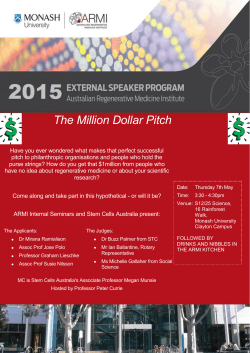
© Copyright 2026